Prayer Group in Myanmar Monsoons
“... praying always with all prayer and supplication in the Spirit ...”
EPHESIANS 6:18
Pray Without Ceasing
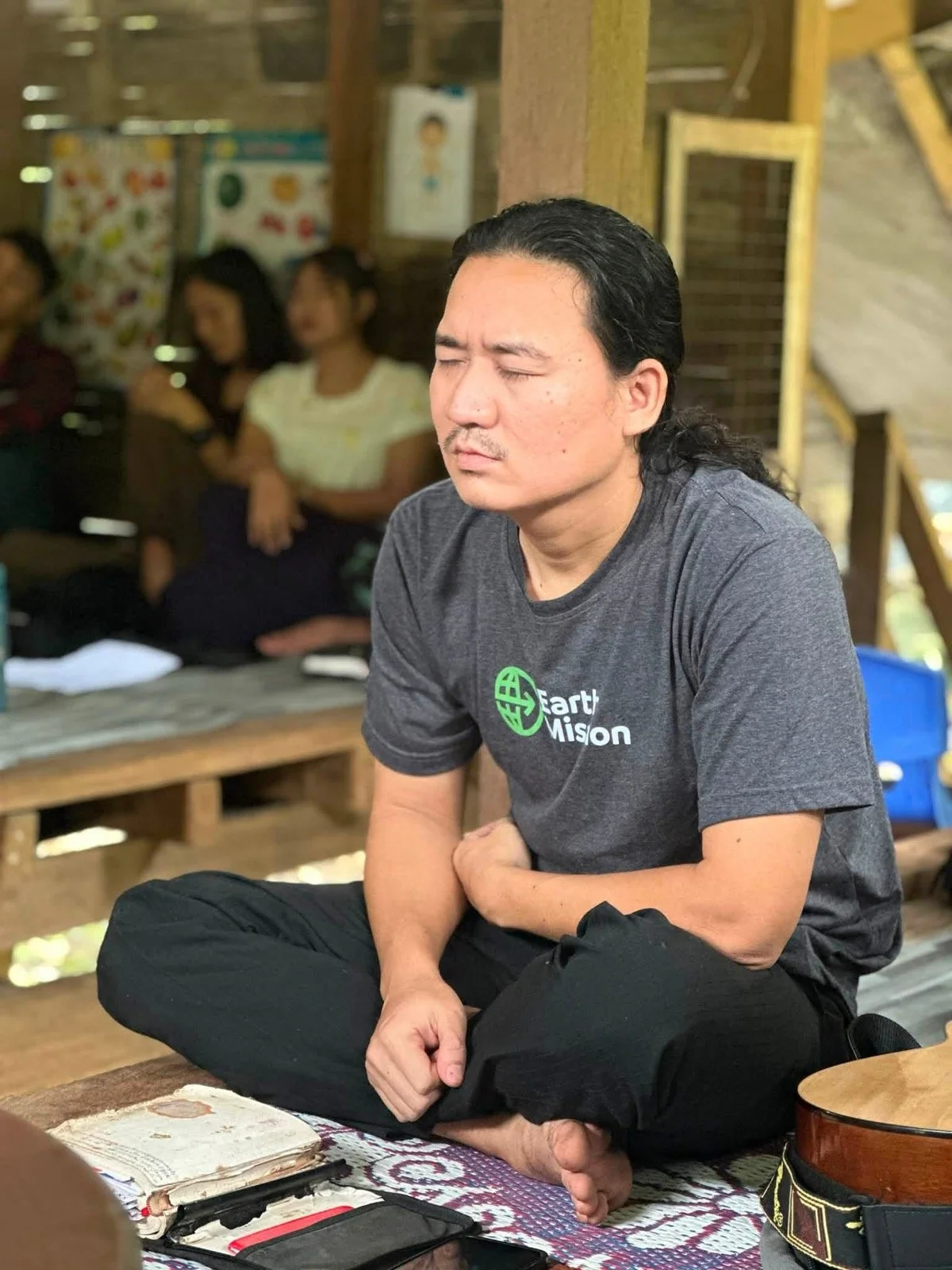
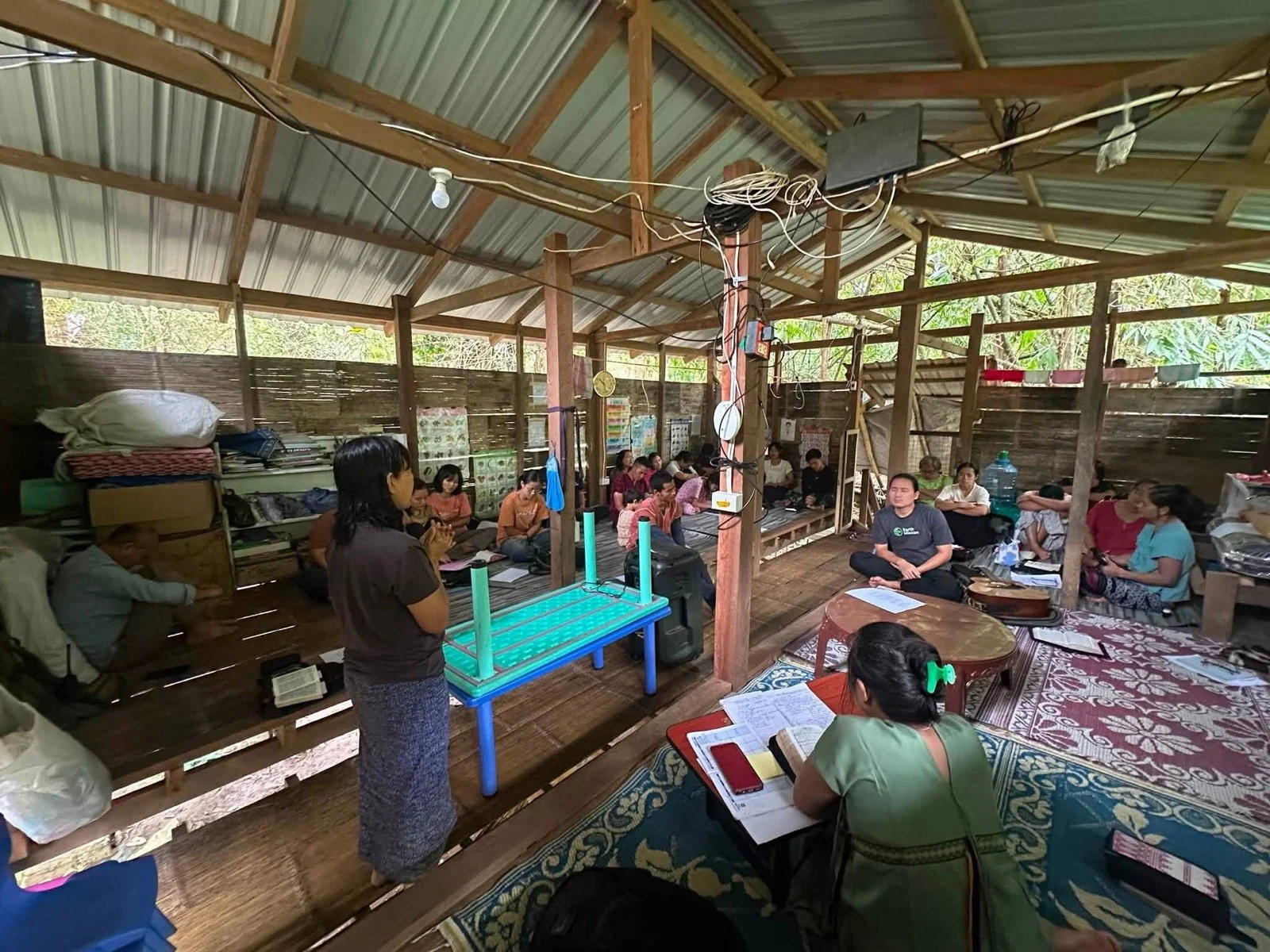
Under the discipleship group, now called “The Watchmen of Earth Mission,” we hold a monthly fasting and prayer meeting. In September, the meeting was led by Naw Kay Rah, a volunteer at our RTC Primary School.
We prayed for Earth Mission, that every department would serve God and people in remote areas, and for strength to continue serving together with joy. Bway from the Communications Department also encouraged us to be set apart for God while remaining connected to our culture and traditions.
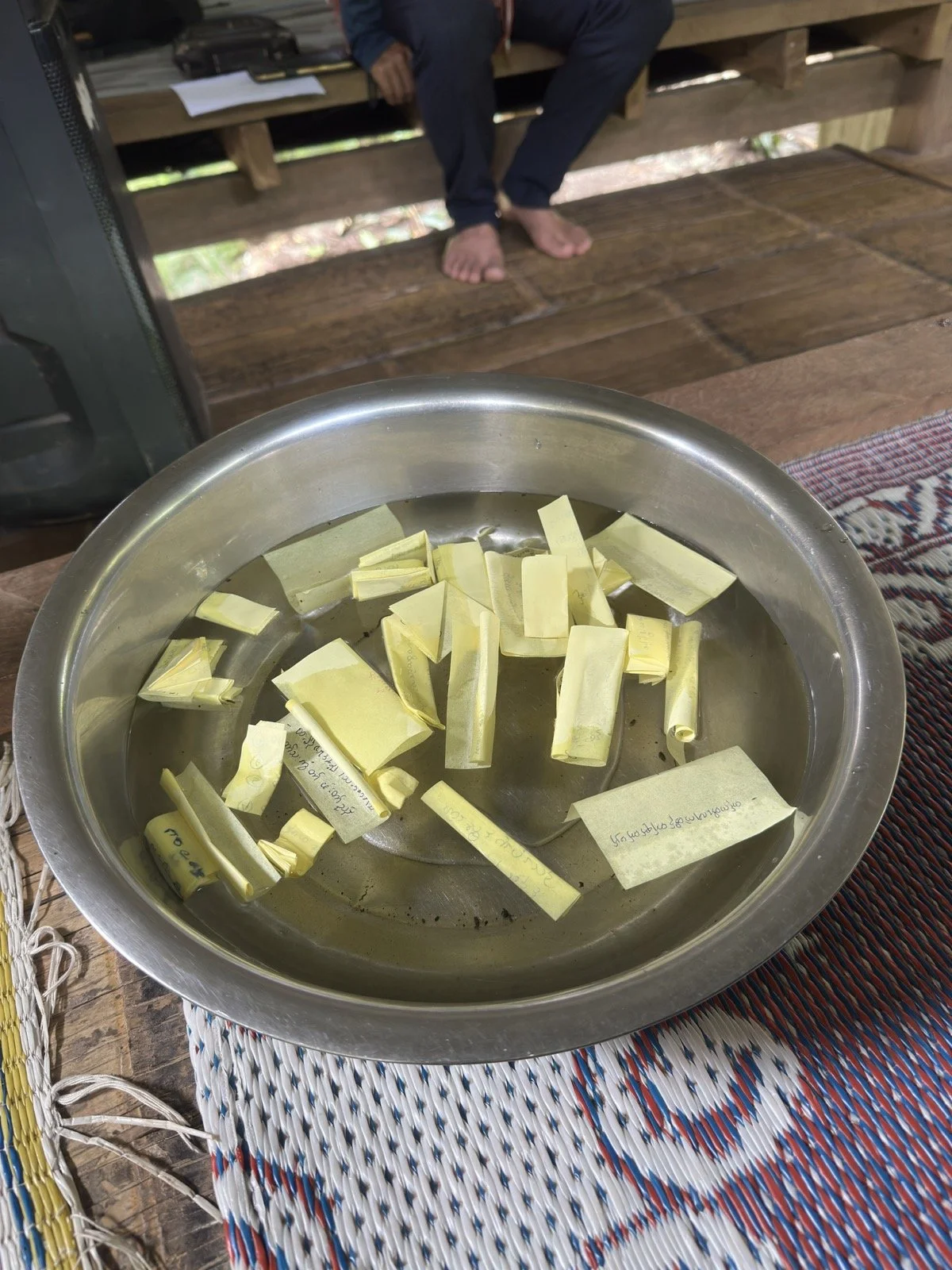
At the end, we wrote down habits we wanted to give to God and prayed over them before placing the papers in water, symbolizing God washing them away.
We were greatly blessed by this time of fasting and prayer and look forward to gathering again next month.
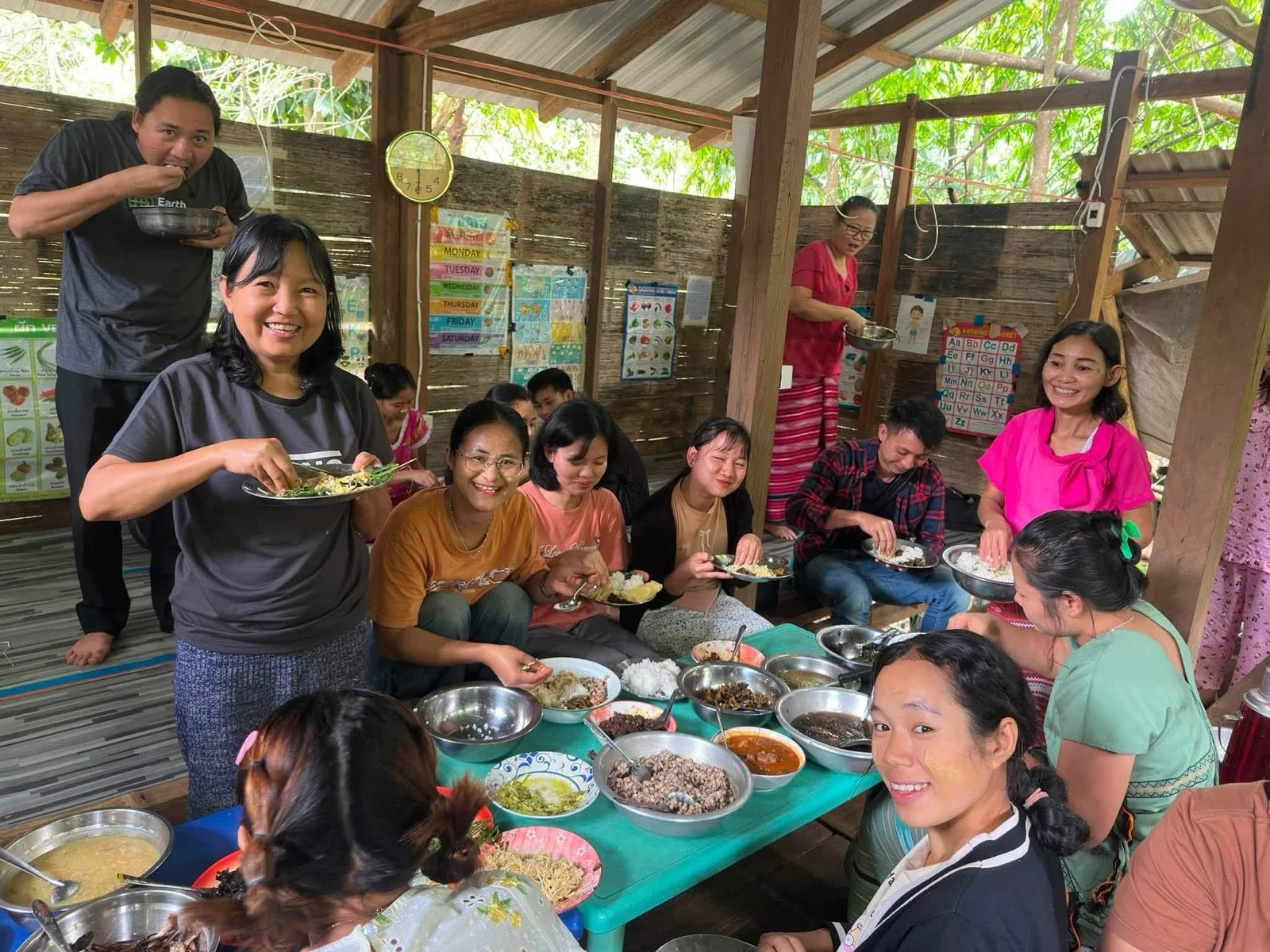
A Rainy Picnic With Year 5 PA Students
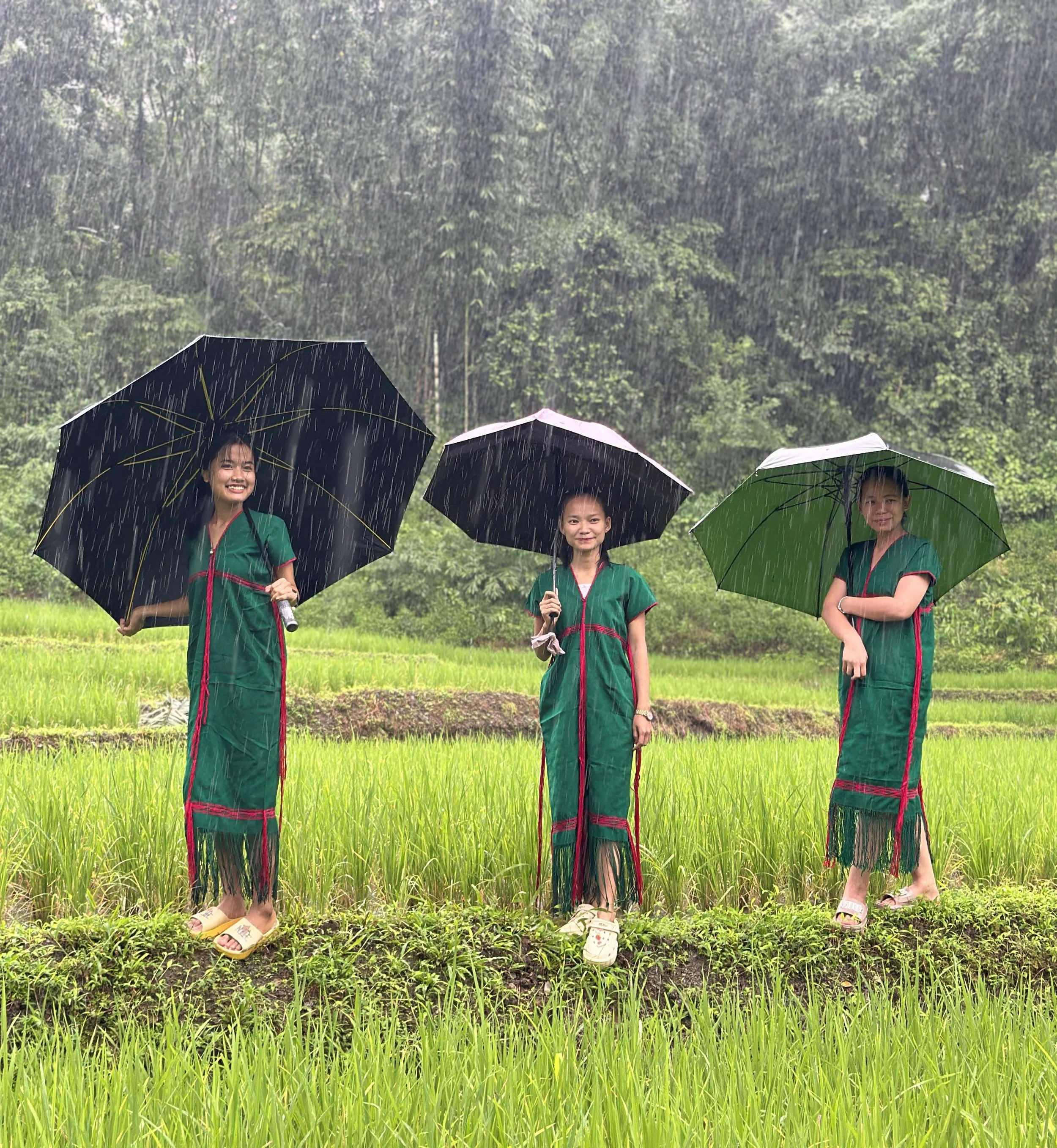
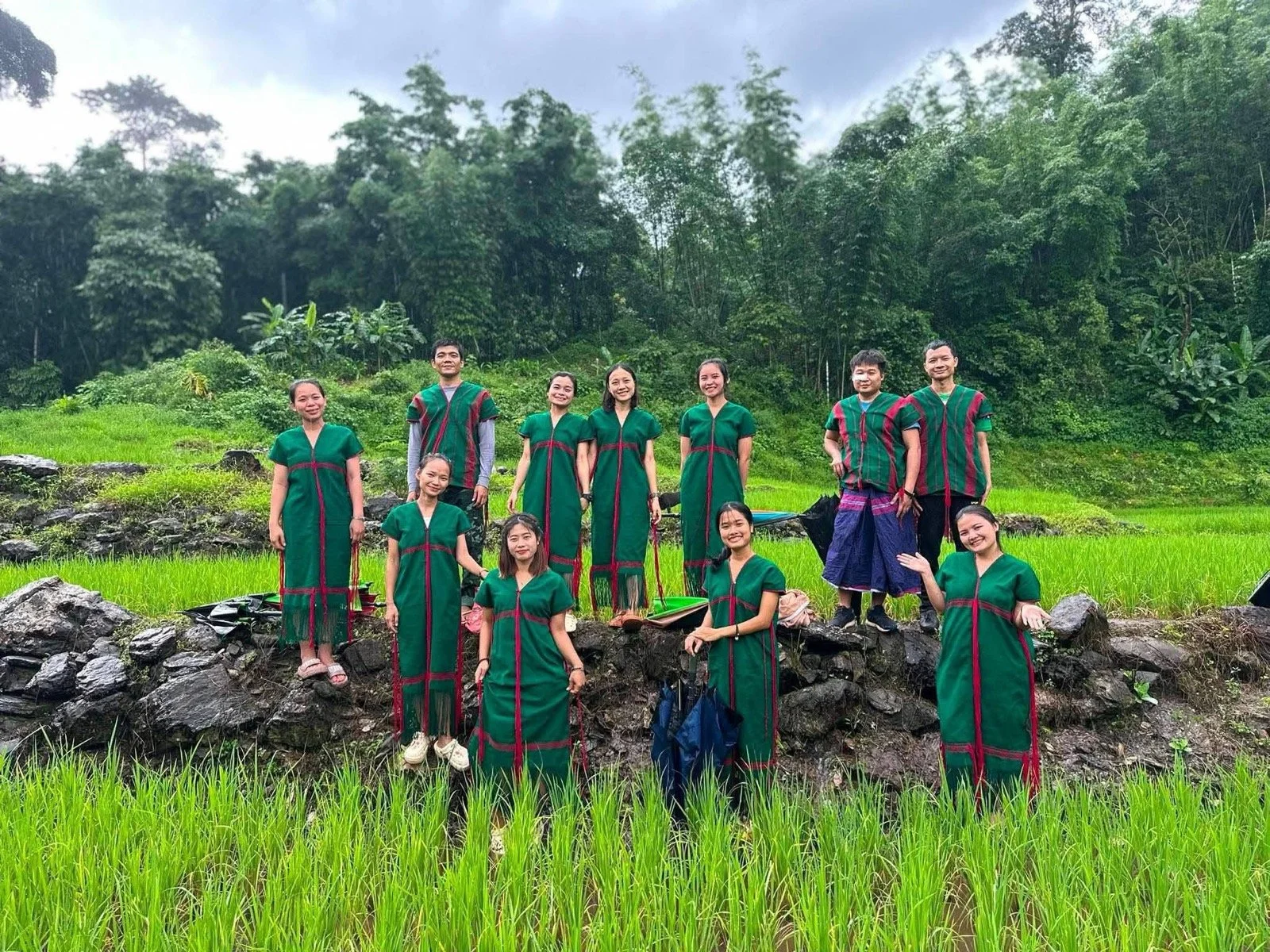
Even the rain could not stop our Year 5 PA students from enjoying time together.
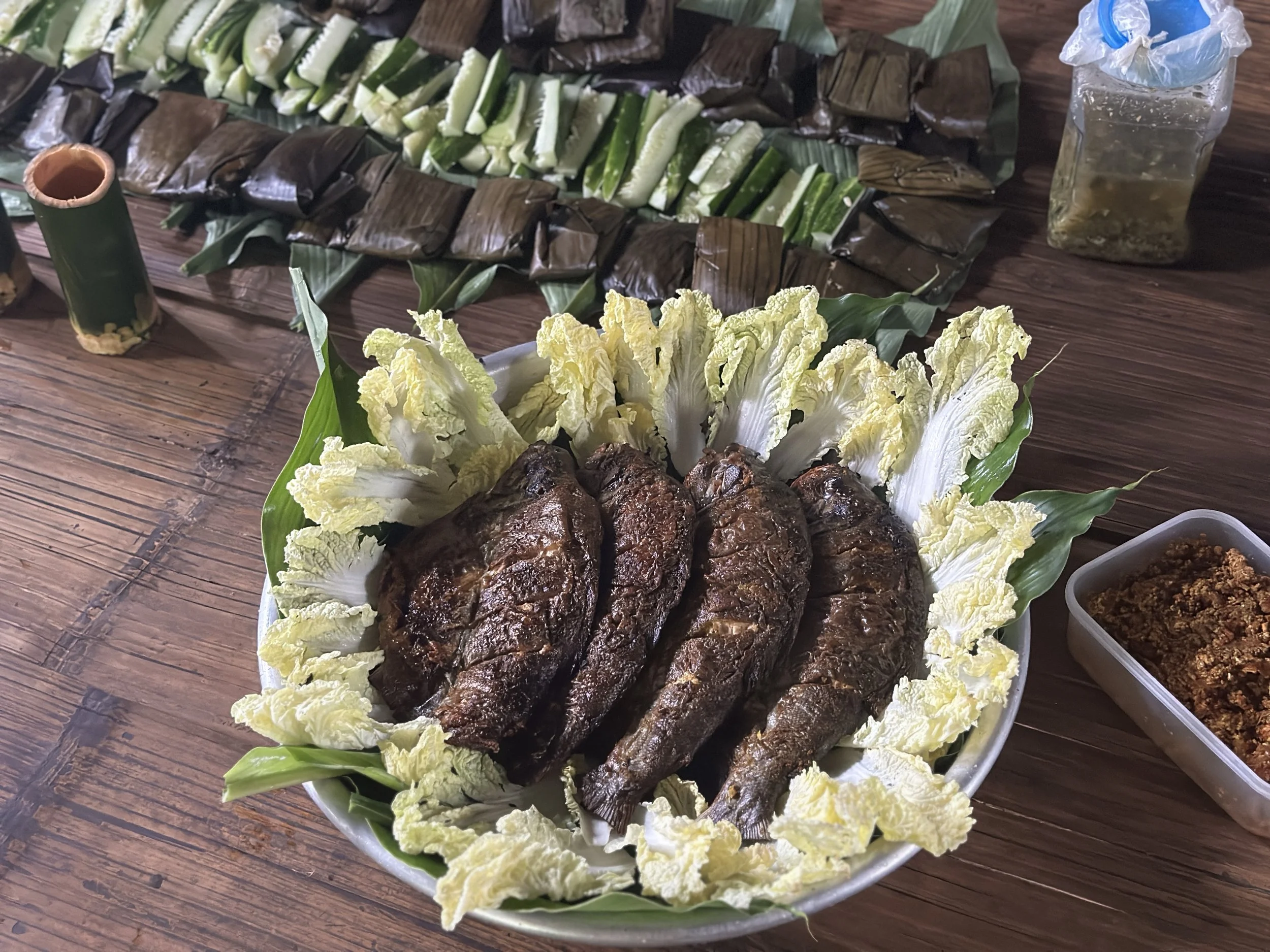
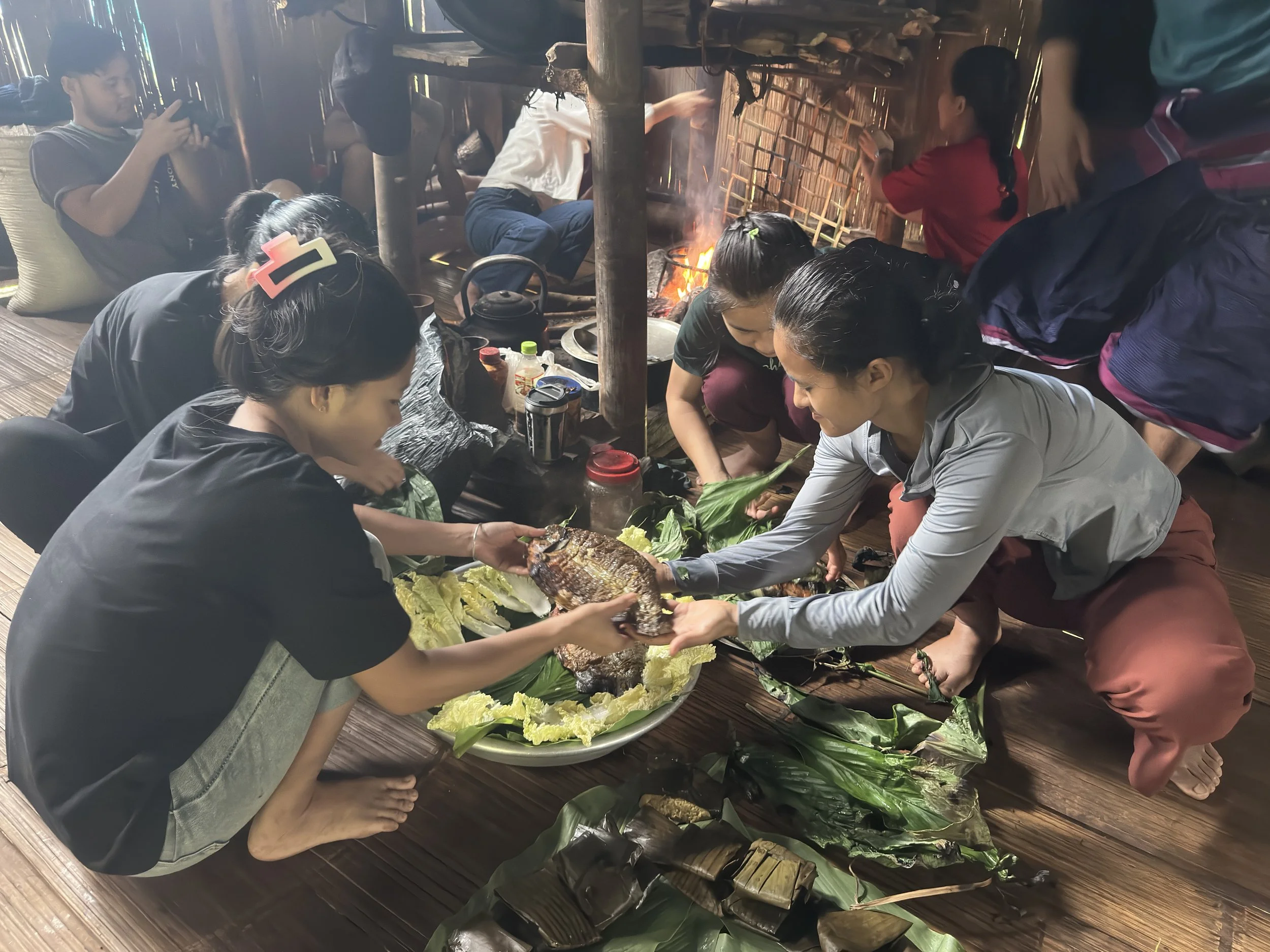
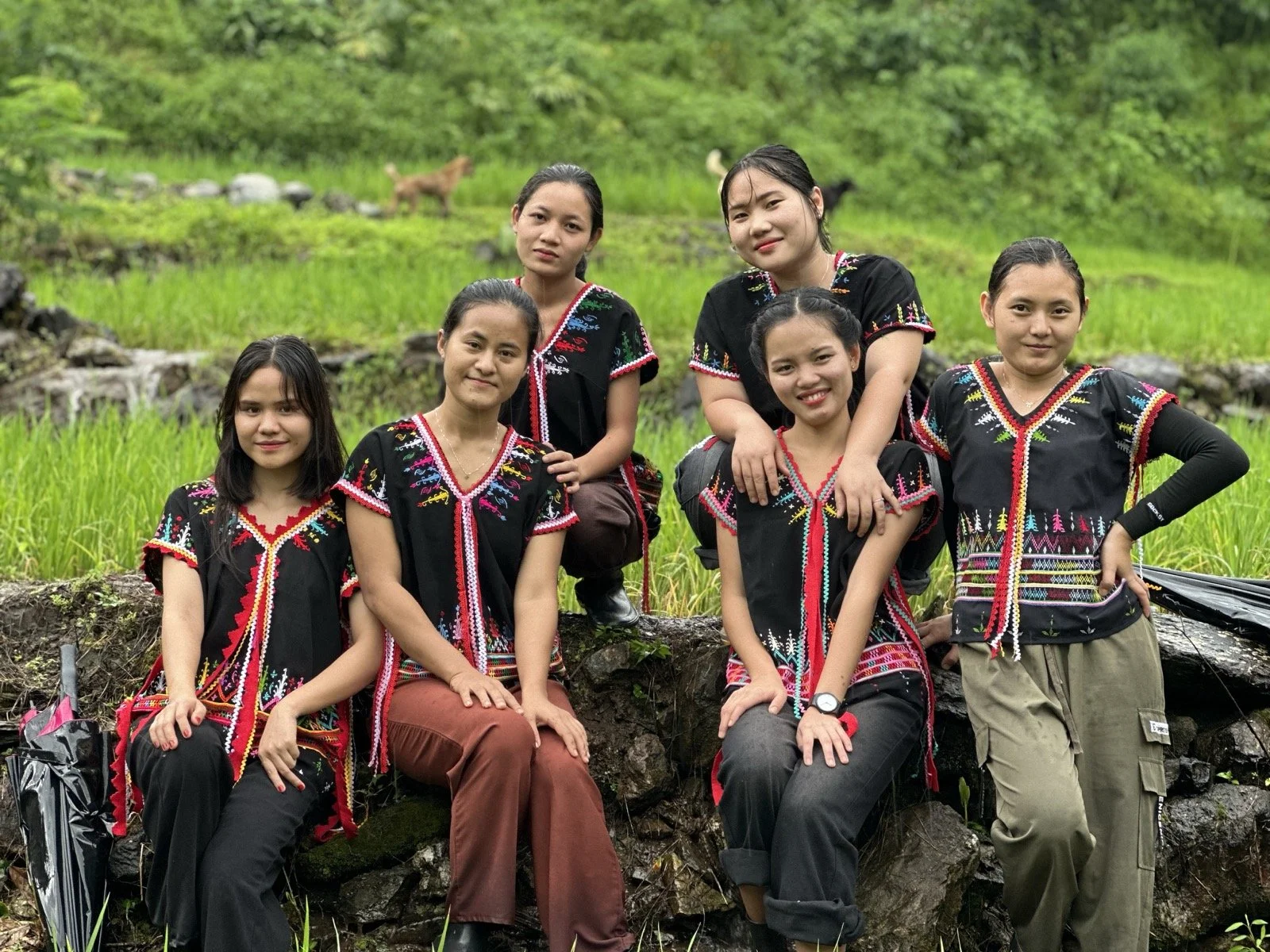
Dressed in beautiful traditional Karen clothing, they gathered for a picnic, shared smiles, took photos, and enjoyed a peaceful moment together.
With only six months left of their PA training, they are now giving their best as they prepare for their final exams and OSCE. We wish them all the best in this final chapter of their PA student journey!
Advanced PA Fellowship Training
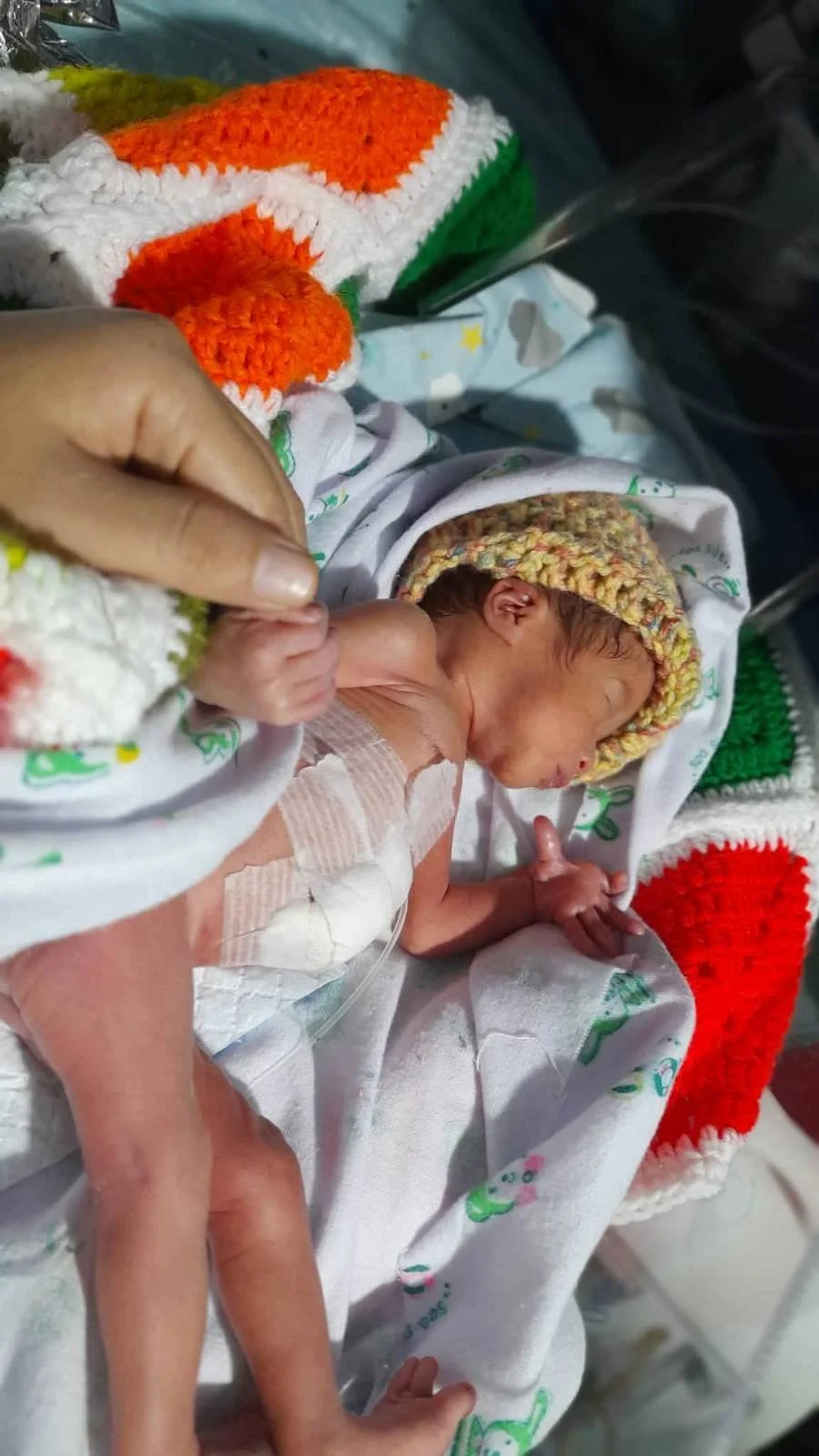
This month, a baby was born at RTC at 35 weeks of gestation, weighing only 1.3 kilos, or 2.9 pounds. The baby faced both prematurity and intrauterine growth restriction (IUGR).
AP Fellows Chu and Htoo provided care in the Special Care Baby Unit (SCBU). The baby needed oxygen support through a headbox for 18 hours and an umbilical vein catheter (UVC) for IV access. Under the supervision of Dr. Hsa, AP Fellow Naw Chu Dhee Wah successfully performed the UVC procedure. Thank God for this tiny baby's survival, as it was not possible without a proper neonatal ward and program in a remote hospital at Kawthoolei which was initiated and is supported consistently by EM.
Learning and Teaching in the APF Program
This month, AP Fellow Saw Eh Ta Taw taught PA students about spinal anesthesia procedures under supervision.
Meanwhile, all APF students are completing their internal medicine module. As this is the final month of the module, they’ve been busy with assessments and preparing for their final exam on this module at the end of the month.
Through hands-on patient care, teaching, and continuous learning, our AP Fellows continue to build their skills and knowledge so they can better serve their communities.
-
In August, PA students continued their learning through lectures, practical sessions, skill training, SOAP note classes, and examinations across all five years of the PA program.
Year 1 students continued their studies in English and computer science. They also studied anatomy and physiology, including the joints, endocrine system, cardiovascular system, respiratory system, lymphatic system, and immune system. Review sessions were also provided. The students continued learning Thai every Saturday.
Year 2 students continued practicing history-taking and physical examination every morning at RTC. They also attended weekly skill lab sessions. Their classroom learning included anti-anemic drugs, edema, abdominal pain, hypertension, chest pain, and dyspnoea. Students also completed examinations on anemia and anti-anemic drugs, edema, and mathematics.
Year 3 students focused on practical learning through advanced laboratory teaching. They also continued SOAP note classes in internal medicine and surgery. Examinations were held on advanced laboratory procedures and mathematics.
Year 4 students studied medical ethics, pediatrics, and pediatric surgery, including abdominal pain. They also learned about contraception and continued their weekly SOAP note sessions every Friday.
Year 5 students continued their studies in public health and mental health. They also continued SOAP note sessions in internal medicine.
-
This month, Year 1 students gained practical experience in civil engineering by constructing a concrete drainage system for the school building. They learned how to mix concrete using the correct amounts of cement, sand, gravel, and water. They also built and aligned the formwork and set the proper slope to help water flow naturally through the drainage system.
Year 2 students worked on improving the school laboratory’s electrical and cooling systems. They installed an on-grid solar power system, including solar panels, inverters, and safety breakers. They also completed electrical wiring and installed split-unit air conditioners, gaining practical experience in both electrical and HVAC systems.
Year 3 students gained hands-on experience by relocating and installing an industrial reverse osmosis (RO) water-purification system. They carefully dismantled the system at the Regional Training Center and reassembled it at RTC. They also tested the system for water pressure and leaks to make sure it was ready for use.
-
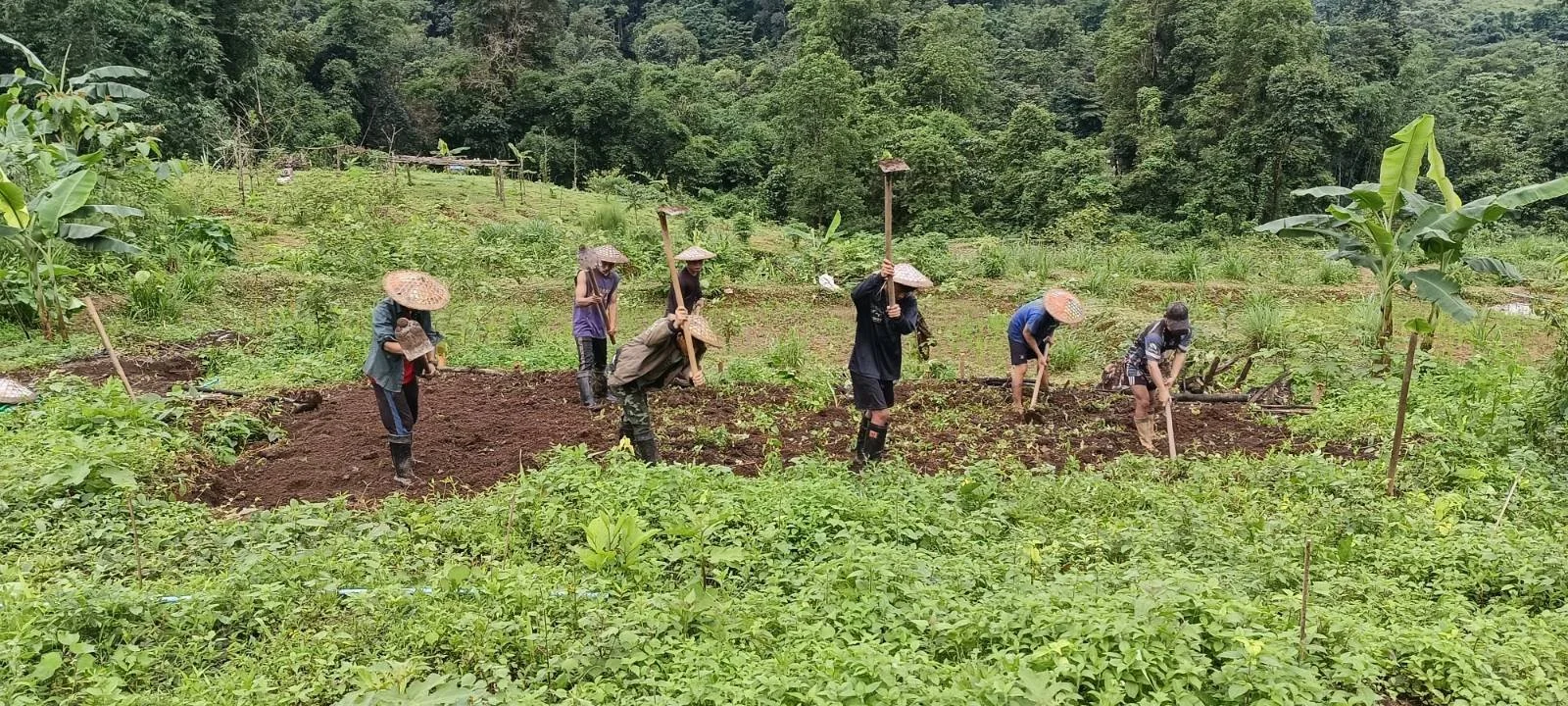
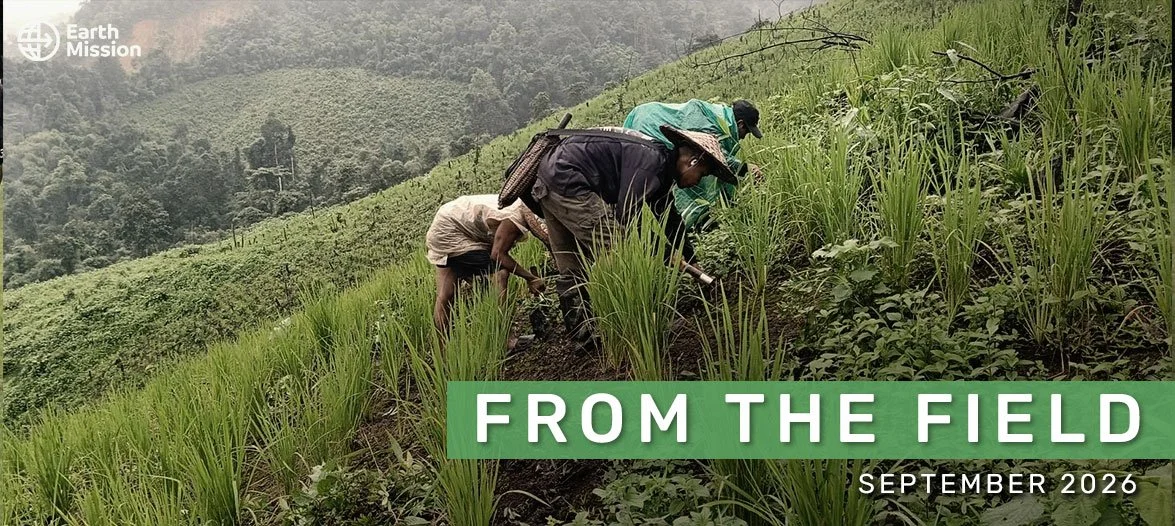
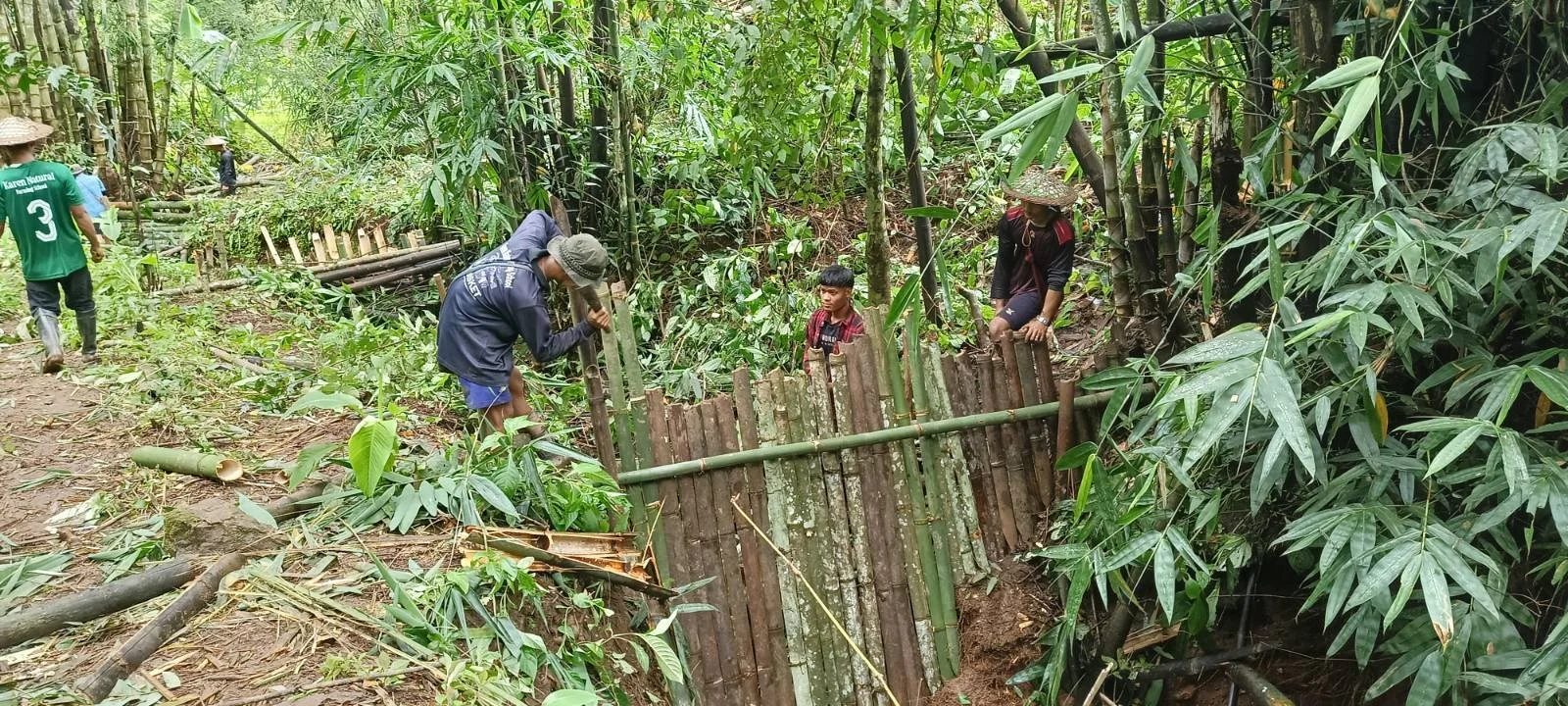
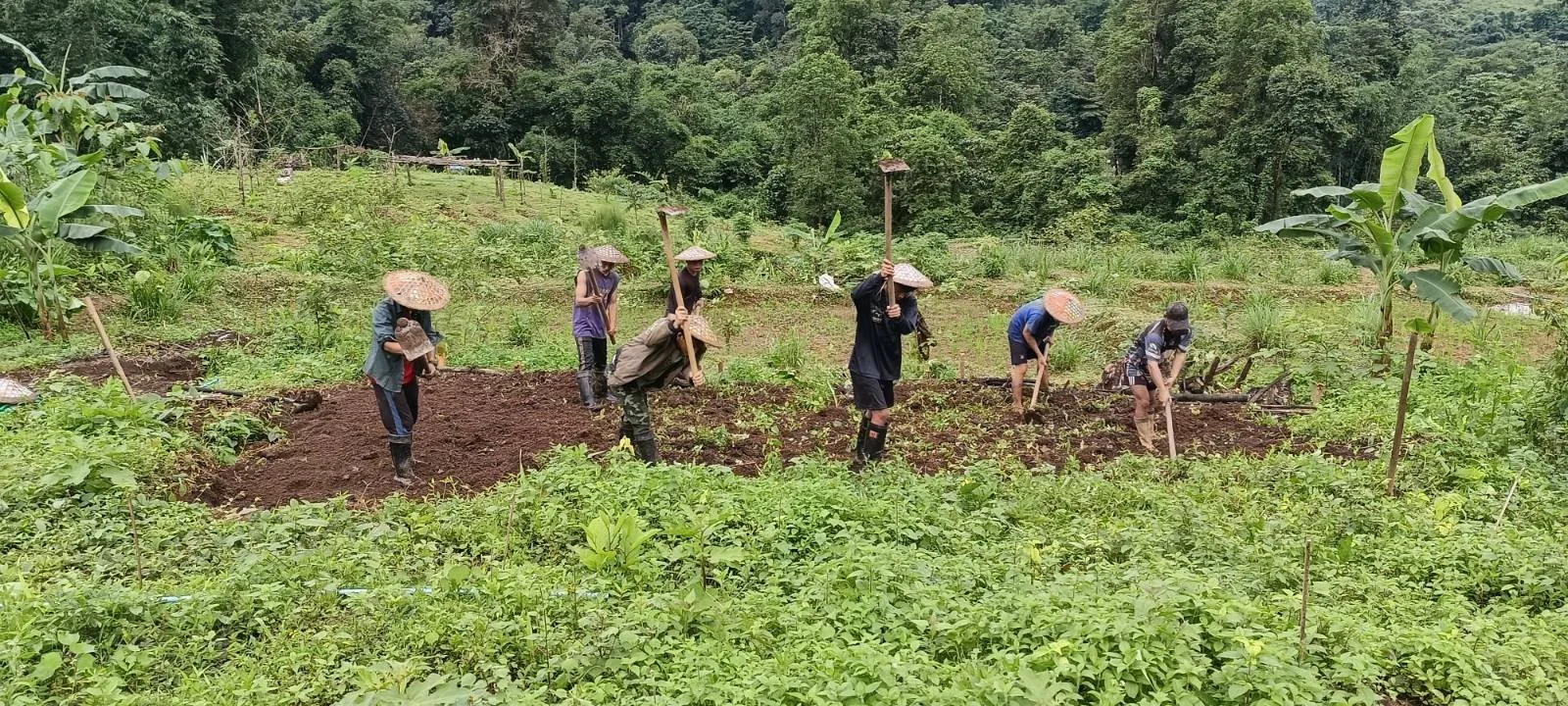
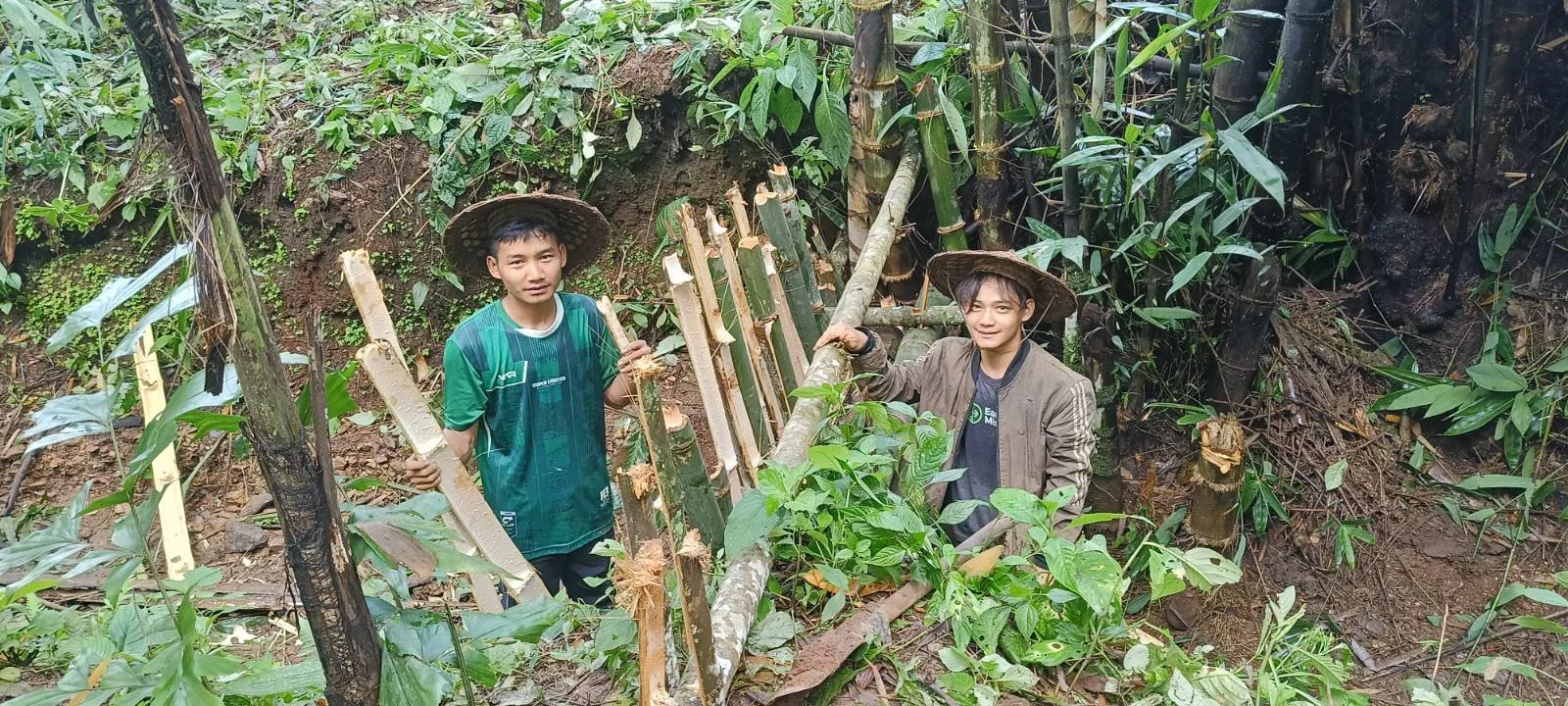
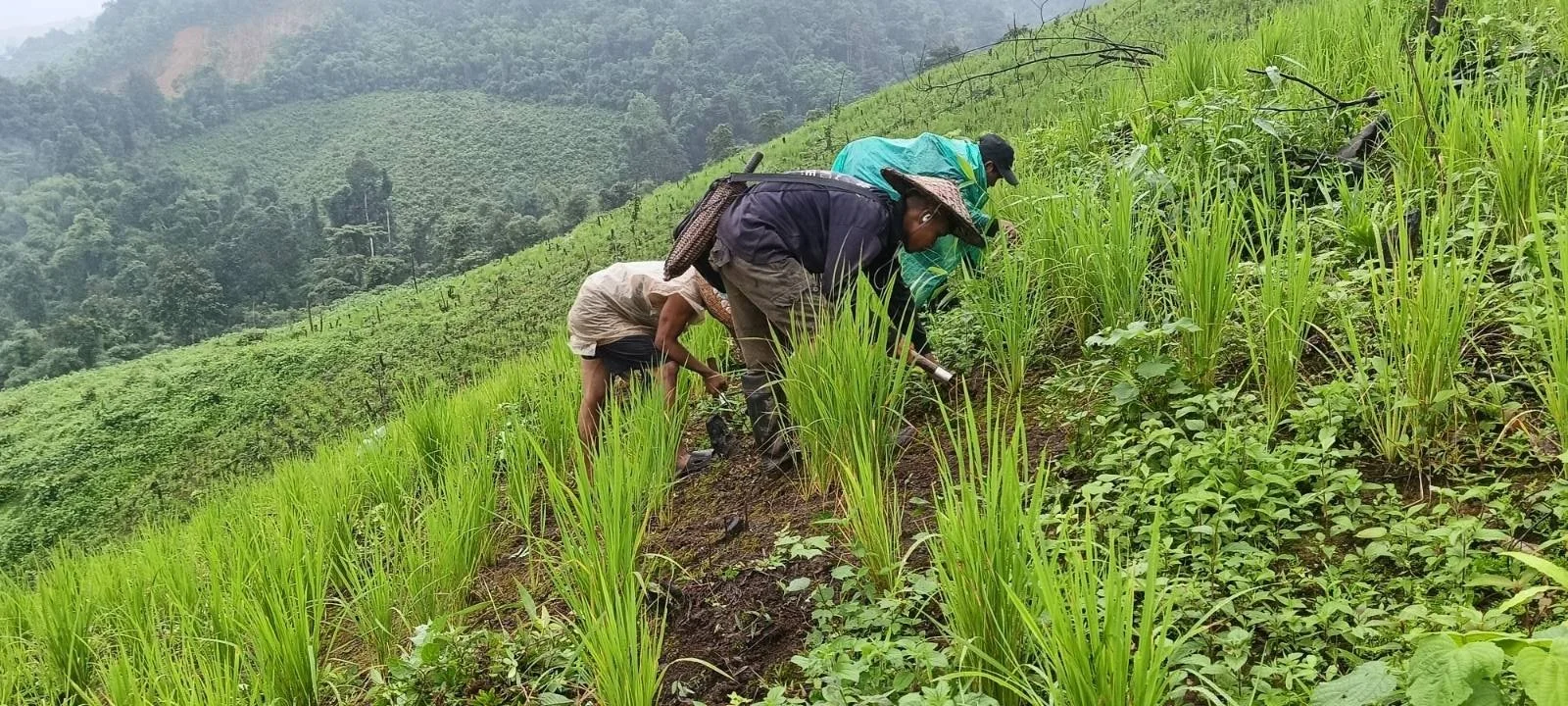
Students learn farming by doing practical work. They’ve been cutting and clearing grass to prepare the land. They also built three dams to manage water. In addition, they made terraced fields on sloping land to prepare for growing crops.
RTC Hospital Patient Summary
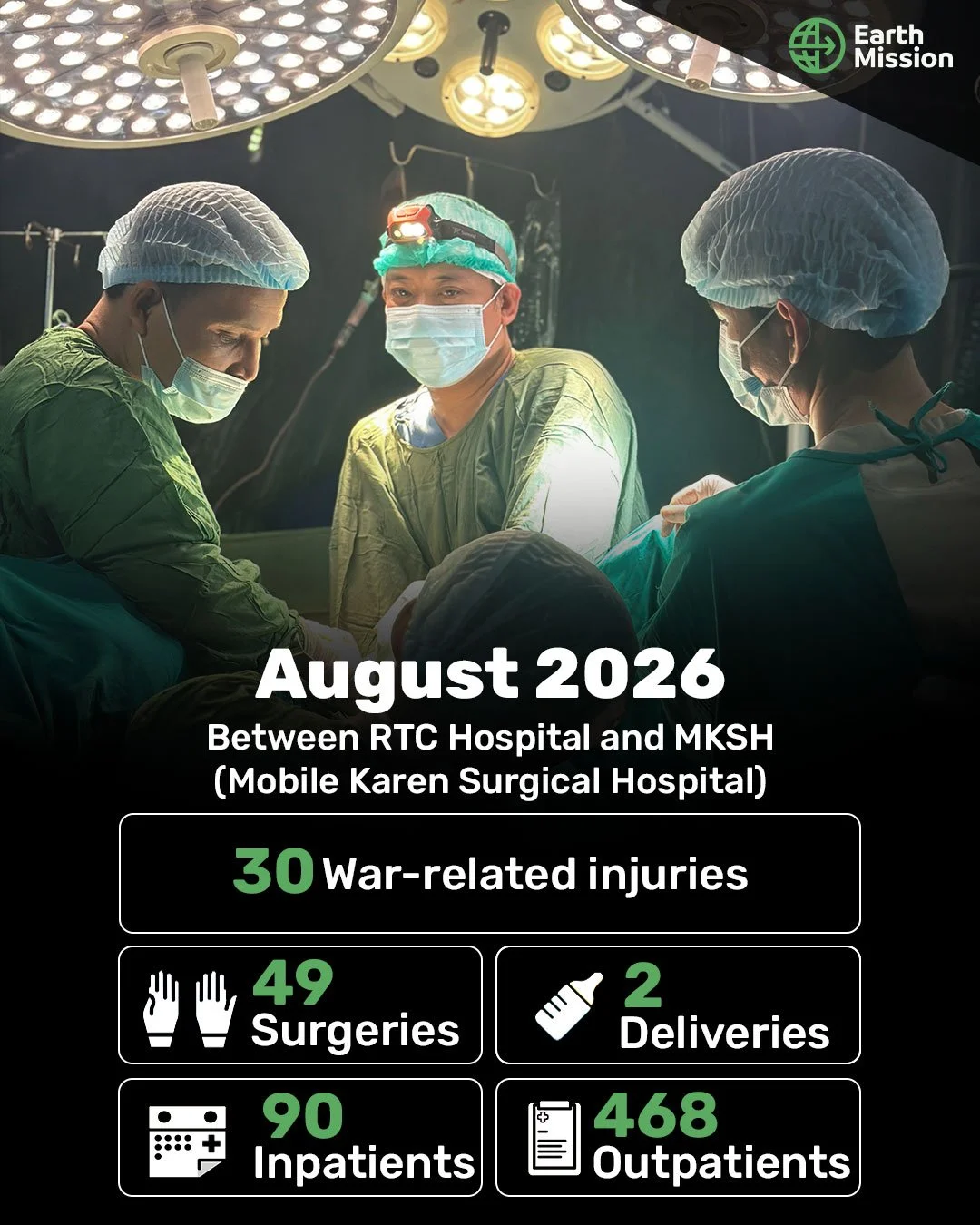
In August, our hospital treated 468 outpatients and 90 inpatients, supported two deliveries, and performed 49 surgeries — more than double July’s total. War-related injuries increased to 30 cases, including severe wounds, fractures, chest injuries, and amputations.
The surgical team managed both major and minor cases, including cancer surgeries, kidney-stone removals, wound debridement, and trauma care. Patients from MKSH requiring advanced treatment, particularly those with open fractures, were referred to Thailand or RTC.
Our Surgical PAs and AP fellows continued to provide hands-on surgical and emergency care under supervision, helping ensure that patients with serious and life-changing injuries received timely treatment.
Asian Swine Flu on RTC Campus
The RTC campus also experienced a sad loss. A pig disease has been spreading in the local area, and the pigs at RTC began dying in July. By August, all 10 pigs died — four large white pigs weighing about 120 kilos each, and six smaller black pigs. The four large pigs were estimated to be worth about $2,000 USD total, and that doesn’t include the cost of raising the smaller pigs.
The pigs were an important part of the campus food system and our efforts to become more self-sufficient. Losing all of them was difficult for the community, especially after the time and care we’d put into raising the pigs. We hope to gradually rebuild our livestock and strengthen food production for the RTC community.
Join Us In Prayer
We are thankful for:
Generous donors who give and pray.
Strong programs to equip and inspire our students.
Our staff, who work hard in spite of an unstable environment.
A good God who takes care of us always.
Please pray for:
Our hospital to be kept safe and protected from bombing and other harm.
Our patients to receive good care and healing.
Our students to learn well in the midst of such conflict.
Our new senior leadership team — that the members can grow together to make good decisions for Earth Mission.
Safe travel for our supplies and those driving the motorcycles as the rainy season continues.
The roads to open soon, so we can use the trucks for transportation.
Budget needs for medicine and medical supplies as we start to order for the dry season.