“He who began a good work in you will carry it on to completion.”
PHILIPPIANS 1:6
Rain Tree Clinic's Youth Fellowship Kicks Off
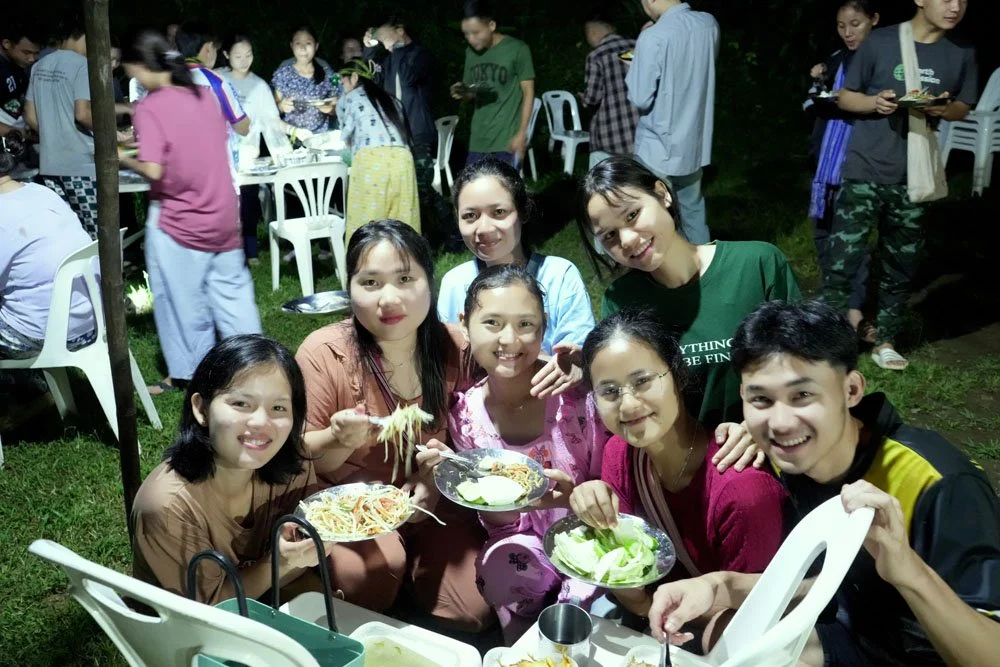
For the first time, Raintree Clinic held a youth fellowship for young staff and students, organized by the RTC discipleship team, also known as the “Watchmen of Earth Mission.” Samuel, one of the prayer warriors, served as the MC.
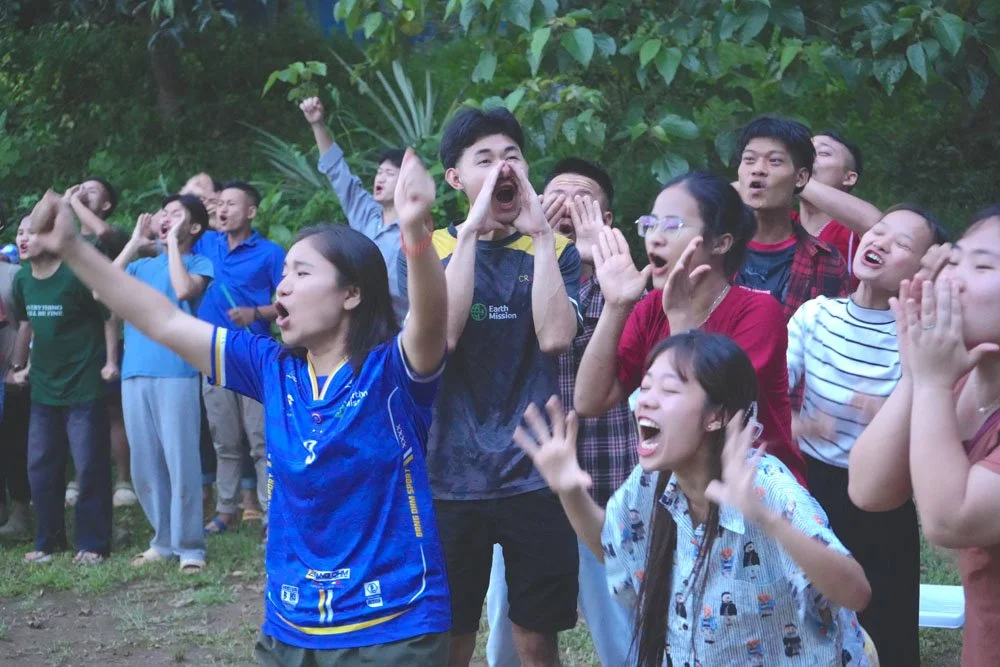
More than 40 youth staff and students joined the gathering. The evening began with a shout of triumph using the Hebrew word Teruah (תְּרוּעָה), reminding the youth that they are conquerors in Christ. Team games followed, bringing excitement, laughter, and greater unity among the youth.
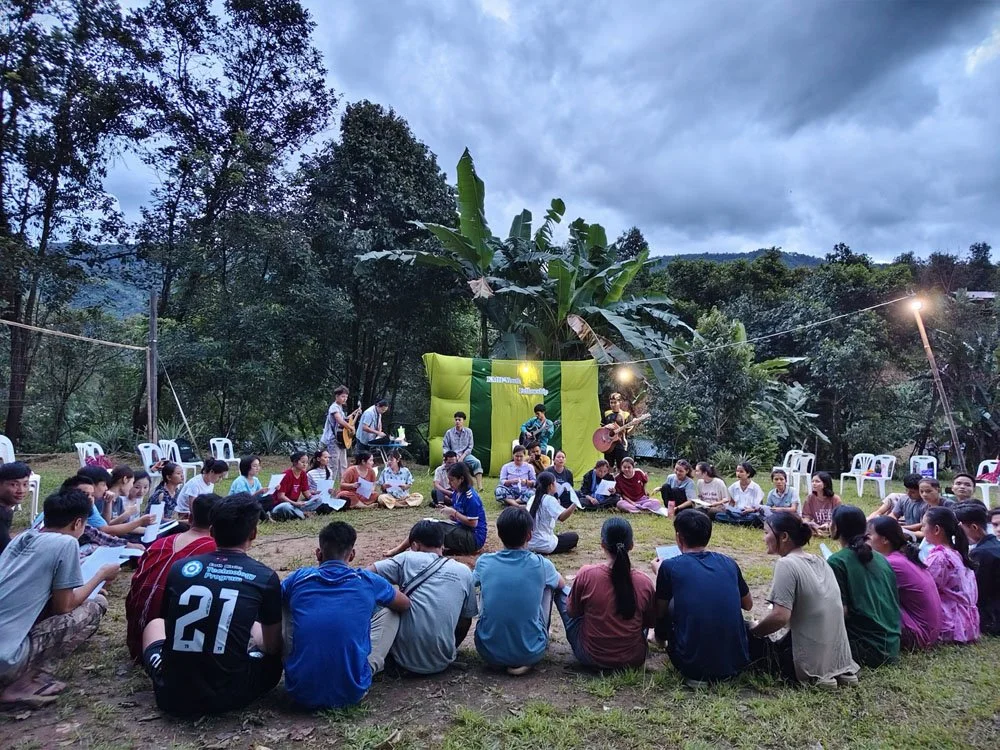
The group then gathered for praise and worship, giving thanks to God for His blessings and presence. This was followed by a simple, relatable sermon focusing on Jesus’ thankful life, His willingness to break and share what He had, and His care for the blessings entrusted to Him rather than wasting them in Matthew 14:17-20.
The evening ended with a shared meal and fellowship. The response from the youth was encouraging. One youth staff member asked, “Can we have this Youth Fellowship every month?” Many others also expressed excitement about gathering again the following month.
This Month at the Rain Tree Clinic
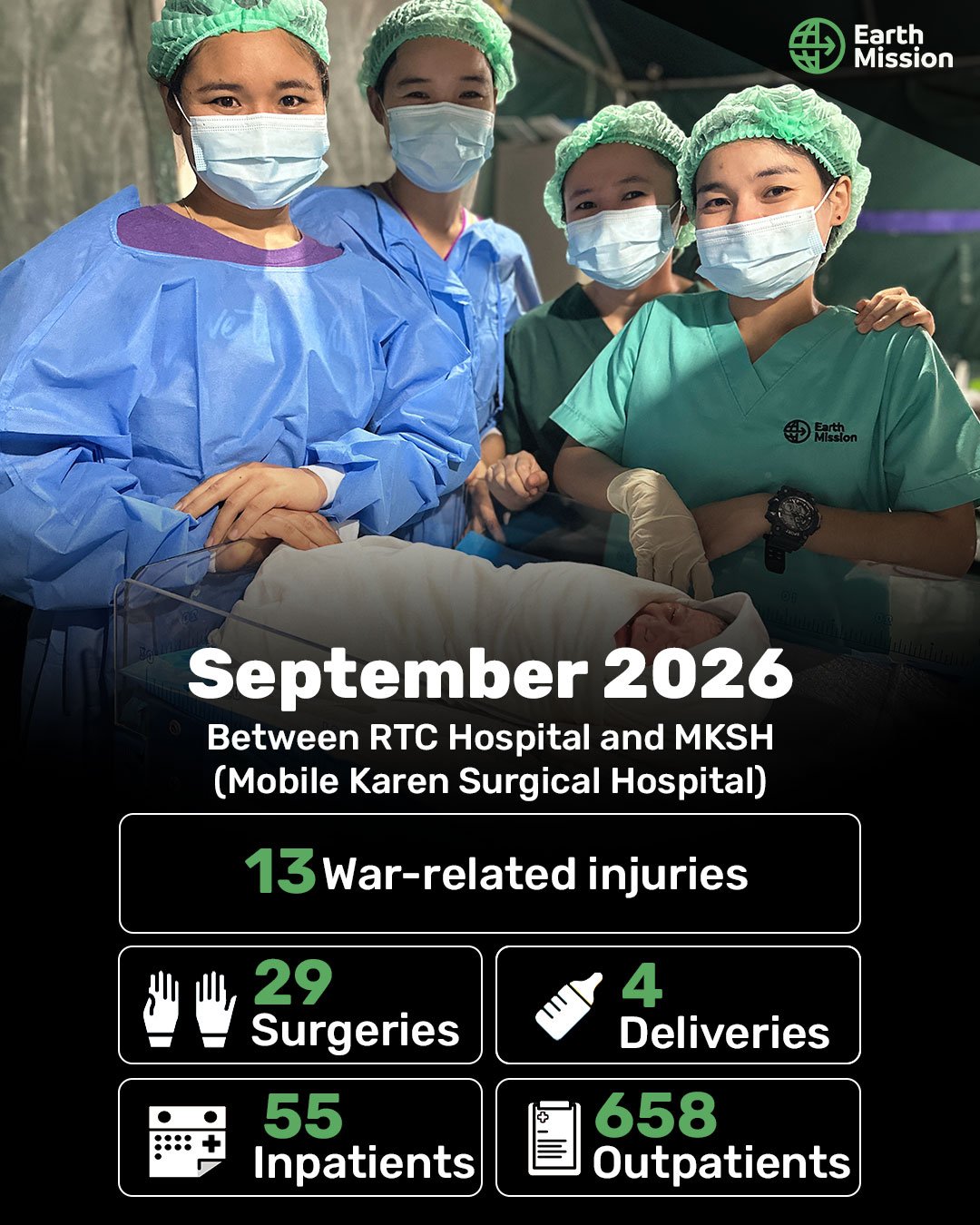
In September 2026, RTC treated 658 OPD and 55 IPD patients, supported four deliveries, and performed 29 surgeries.
At the Mobile Karen Surgical Hospital, we treated 13 war-related injuries: four from drone blasts, four from mortar blasts, one from a landmine, and four from gunshots. Injuries affected heads, chests, abdomens, arms, shoulders, backs, and legs. Four patients were referred to Thailand and four to RTC, while one patient sadly died. Our teams continue to provide emergency and ongoing care to those affected by the conflict.
RTC Campus Updates
As the rainy season comes to an end, the roads that have been damaged by heavy rain and landslides over the past four months are beginning to be repaired. This means larger shipments can once again reach our jungle hospital, and more people are able to travel in and out for teaching, training, and working in person together.
Fresh eggs and vegetables can also be brought into the clinic by truck more regularly. After months of limited transportation, it is a simple but joyful sign that life is returning to a more normal rhythm.
RTC main-campus projects: Approximately $18,000 needed.
Needed now: Two boys dorms, a girls dorm, a primary school bathroom, a new OB ward, inpatient ward renovation, a pre-op and post-op building, and to move the generator, cover trenches, add a retaining wall for the bridge, and replace all tin roofs with leaf and plastic for security.
Optional for now, but on the approved list: A local guest house, a shop lift, a shop slab extension, dorm renovations, an OB-GYN building, and a special baby care unit.
Chest Tube in the Jungle
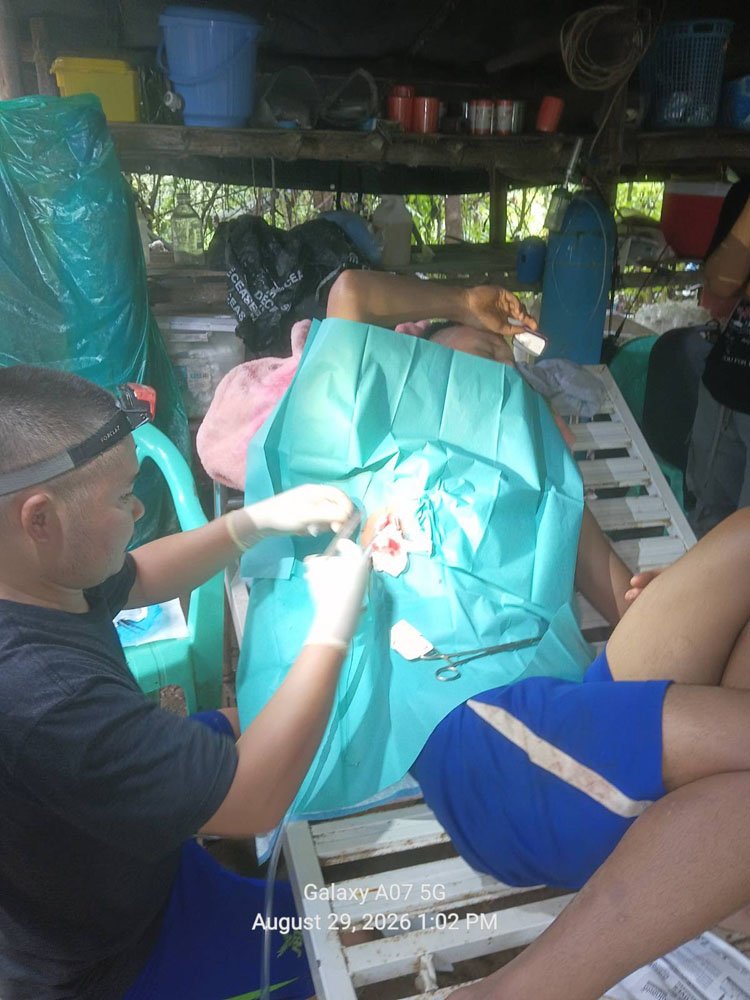
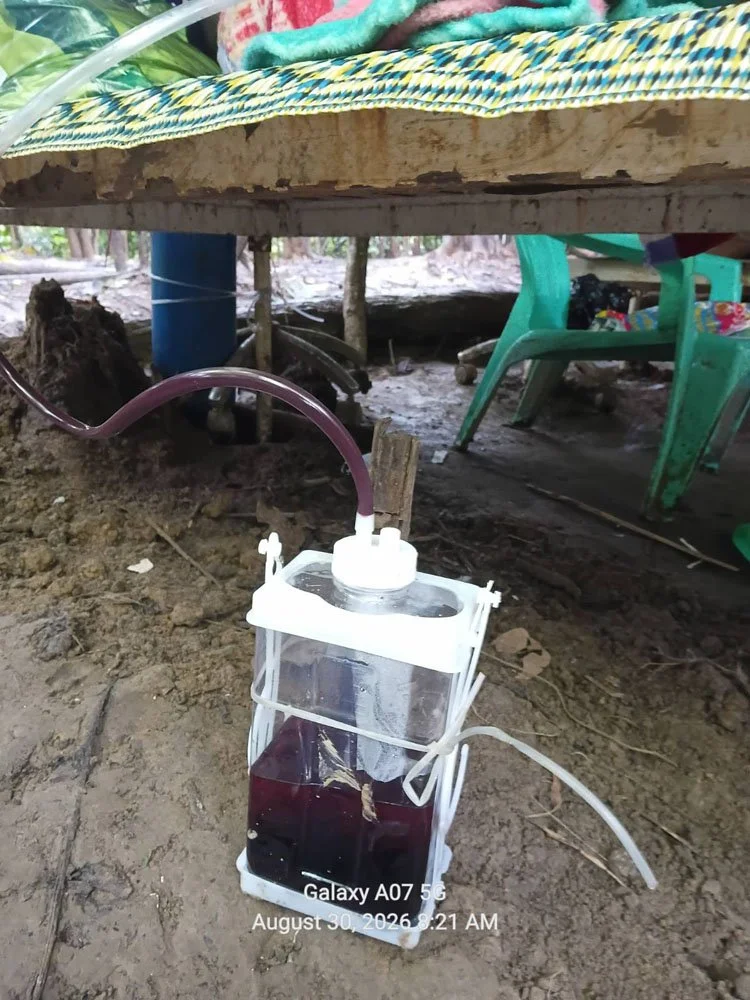
A 23-year-old man arrived at our MKSH facility with a gunshot injury to his right back after an eight-hour delay in receiving emergency care. When he arrived, he was having difficulty breathing, and his oxygen level was low. Examination showed decreased breath sounds on the right side, and our team suspected a right-side hemothorax. We inserted a chest tube immediately to help drain the blood from his chest and improve his breathing. We also treated him with antibiotics and monitored him closely. After seven days, his condition improved, we removed the chest tube, and he was able to return home.
Strengthening Core Medical Skills
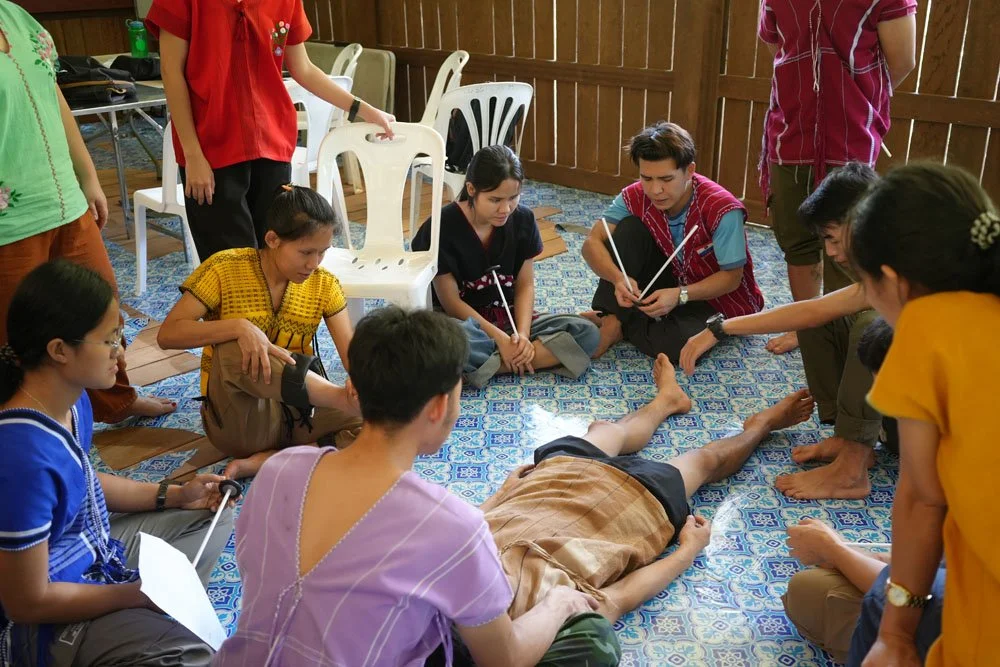
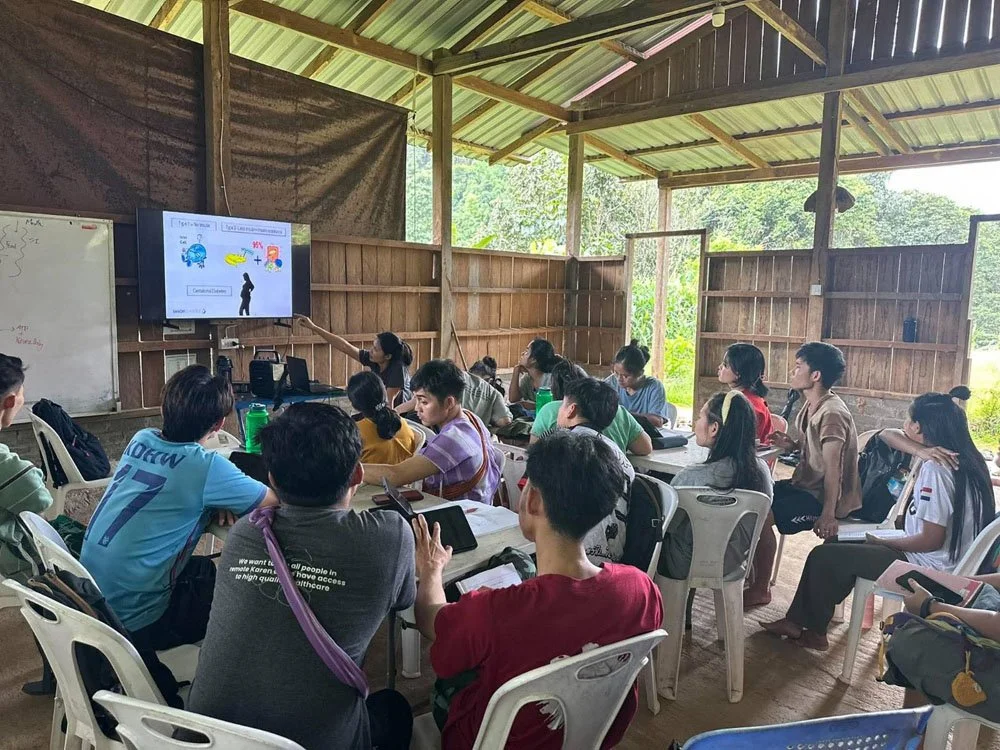
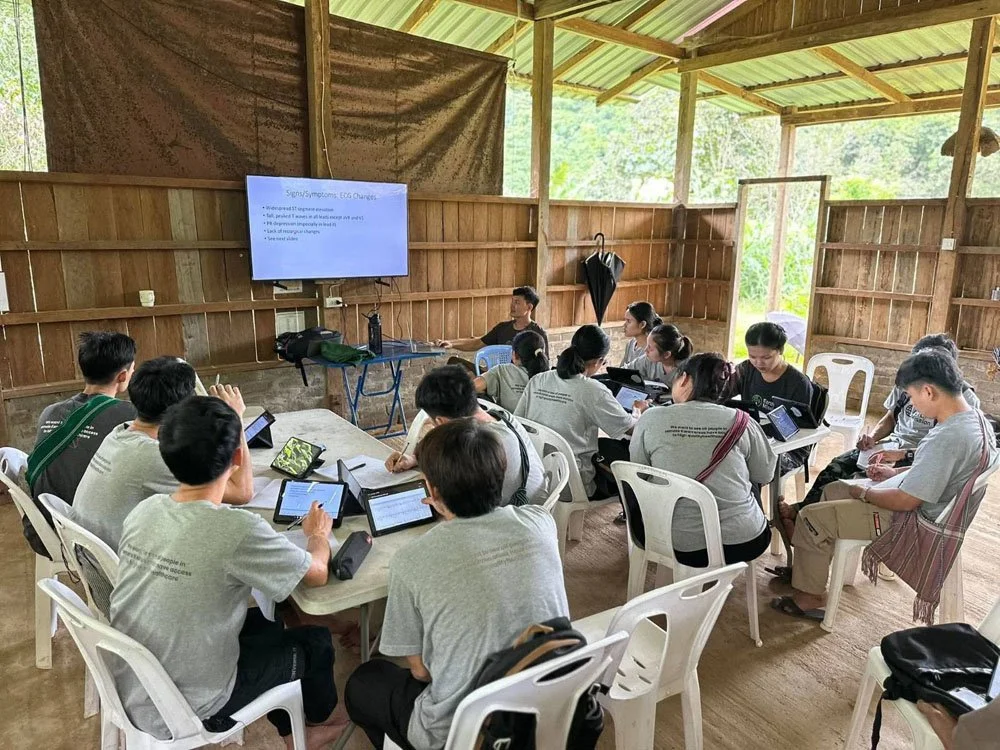
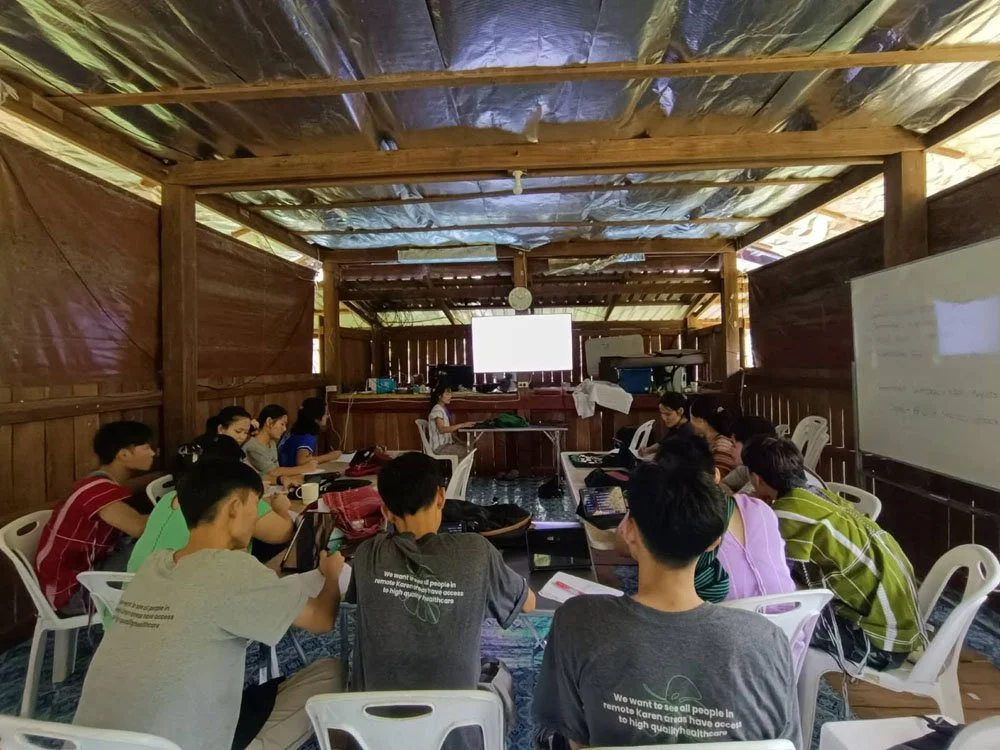
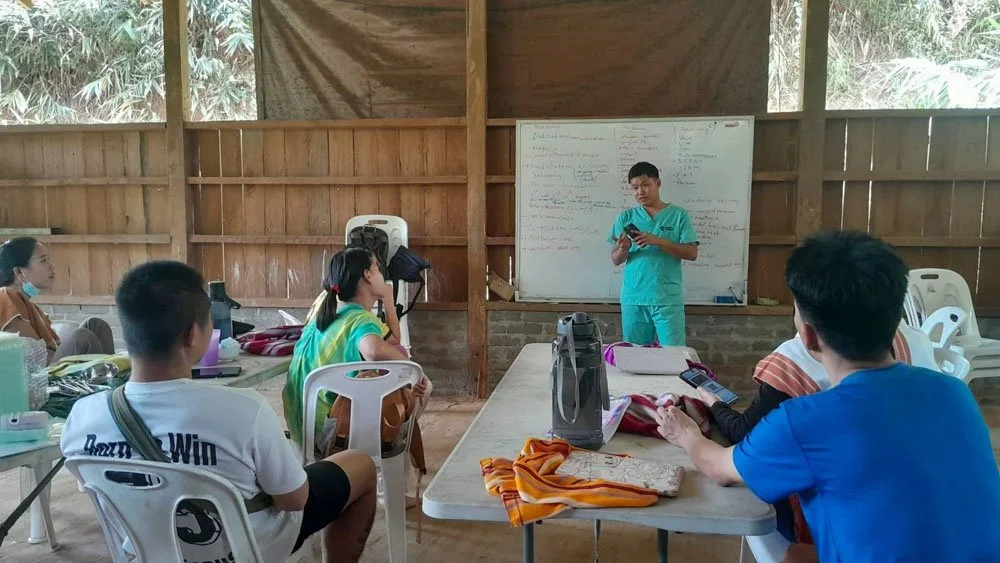
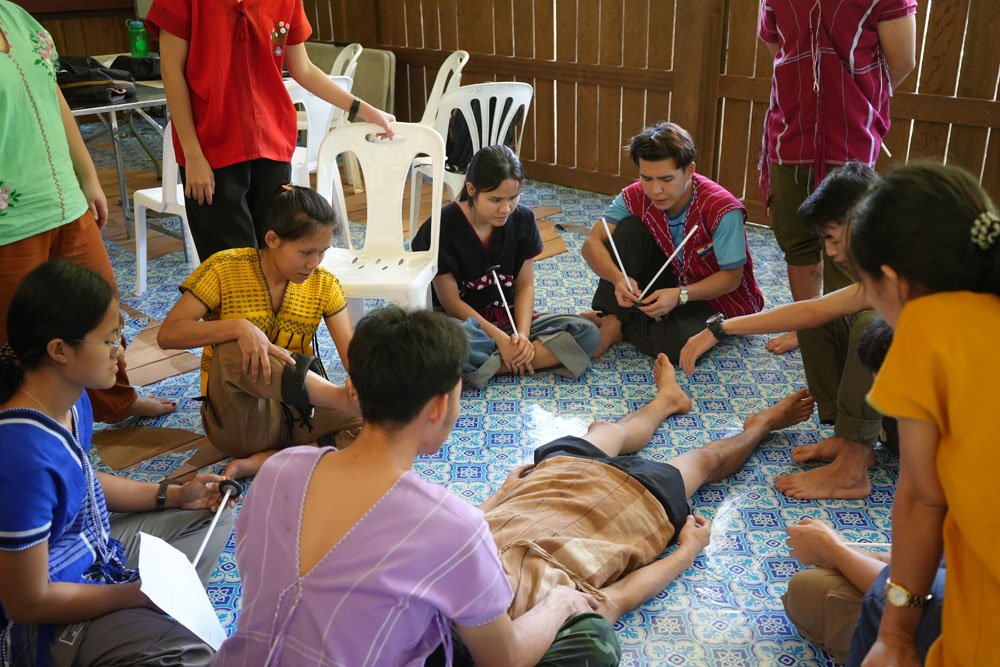
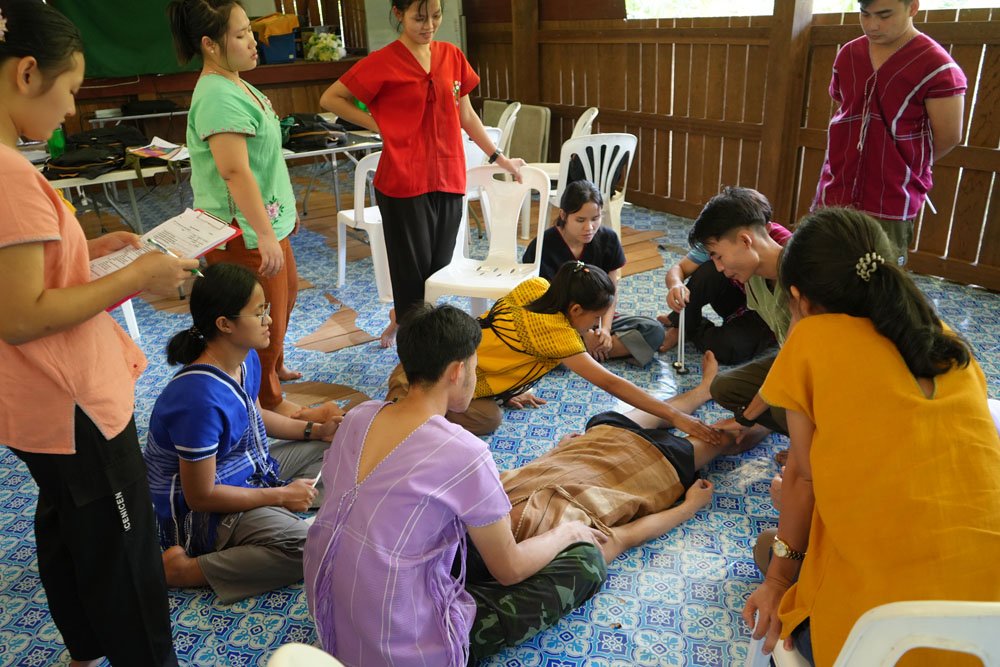
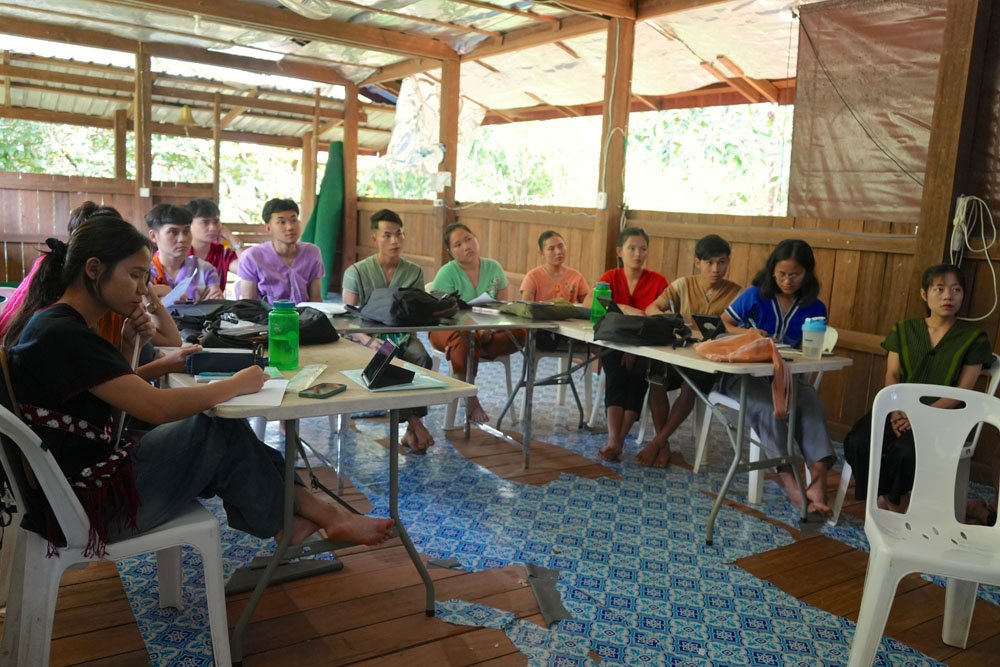
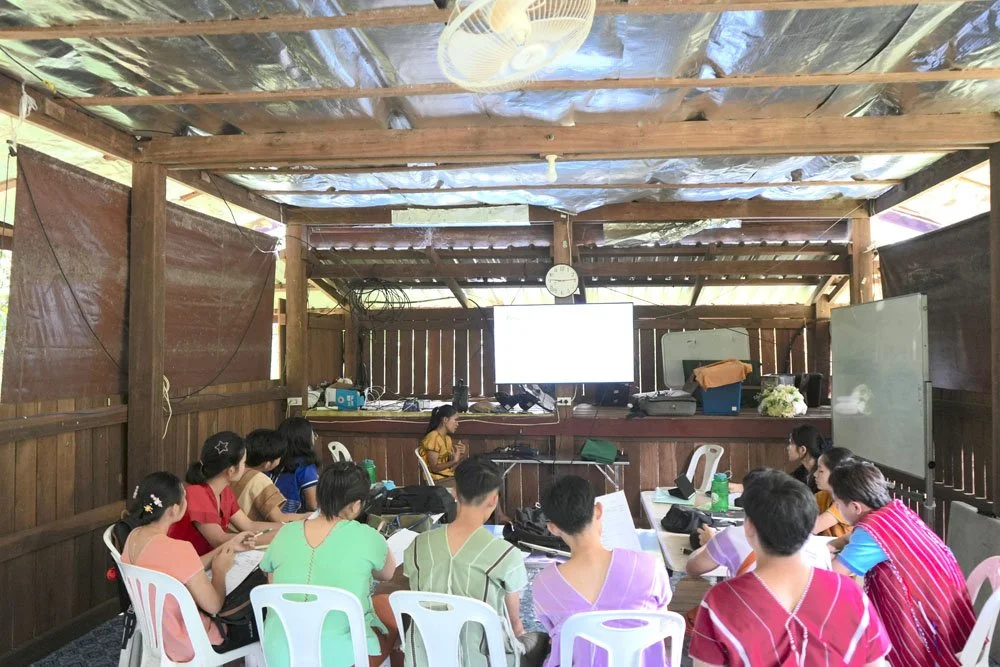
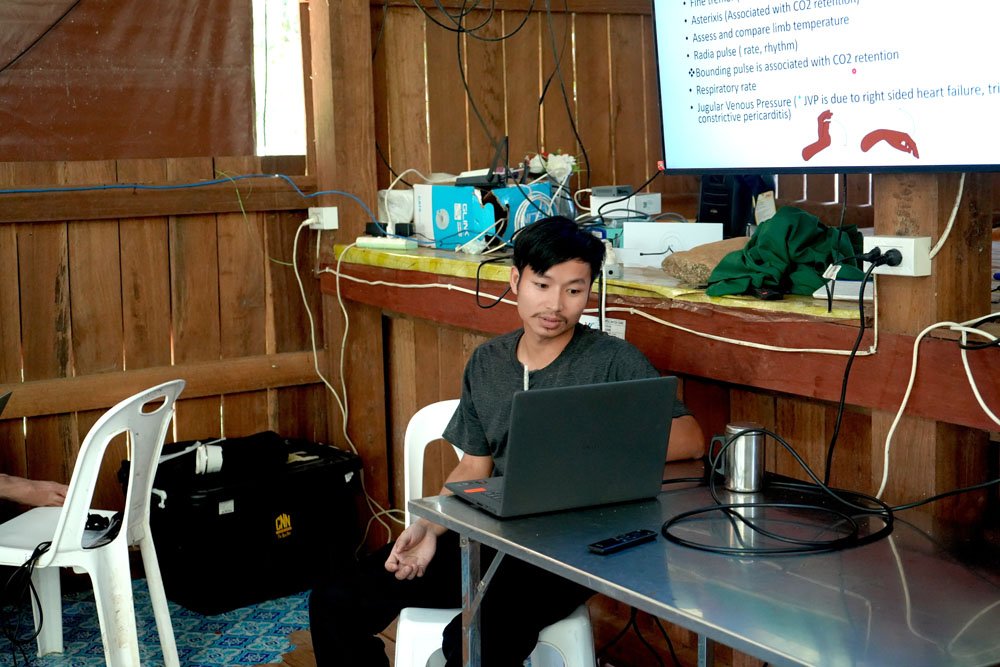
As part of the AP Fellow Program, fellows provide hands-on teaching and clinical training to PA students across different areas of medicine. Teaching includes internal medicine for Year 2 students, as well as surgery, obstetrics, and anesthesia for Years 2-4. Through bedside teaching, case discussions, and practical guidance, AP Fellows help students strengthen their clinical knowledge and skills.


-
In October, PA students continued their learning through lectures, practical skills training, clinical practice, and examinations across all five years.
Year 1 students in Mae Sariang studied English, computer science, anatomy and physiology, and microbiology, along with weekly Thai language classes and a midterm exam.
Year 2 students continued daily history-taking and physical examination practice at RTC, weekly skill labs, and lectures on common clinical conditions and medications, with several examinations.
Year 3 students studied HIV infection, practiced SOAP note writing in internal medicine and surgery, and completed advanced lab practical and mathematics exams.
Year 4 students received training in pediatrics, obstetrics, and HIV, along with weekly SOAP note practice.
Year 5 students focused on public health and mental health, continued SOAP note and case study work, and completed their mental health exam. Their final presentation was held on September 29, with students and faculty sharing and reviewing their learning.
-
During Year 1, students build foundational skills in construction materials and electrical systems. They study wood, plywood, fasteners, structural steel, and rebar while learning basic material calculations and home wiring, including conductor sizing and circuit-breaker selection. Mathematics training strengthens essential 3D geometry skills, with additional support provided to help students apply calculations to construction and engineering tasks.
Building on these foundations, Year 2 students are advancing into reinforced concrete design and digital drafting. They’re learning to calculate and detail reinforced concrete slabs and staircases, including structural dimensions, loads, rebar spacing, and anchorage. They are also developing AutoCAD 3D skills by transforming 2D floor plans into 3D structural models.
-
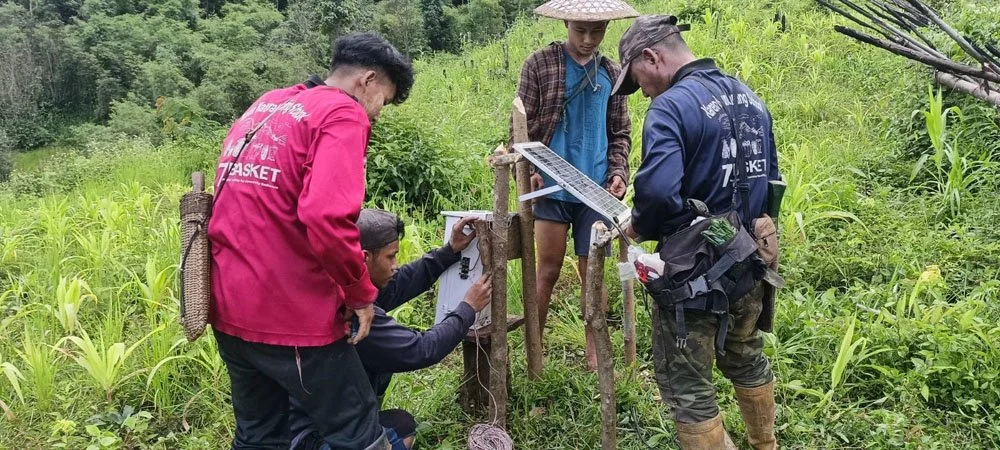
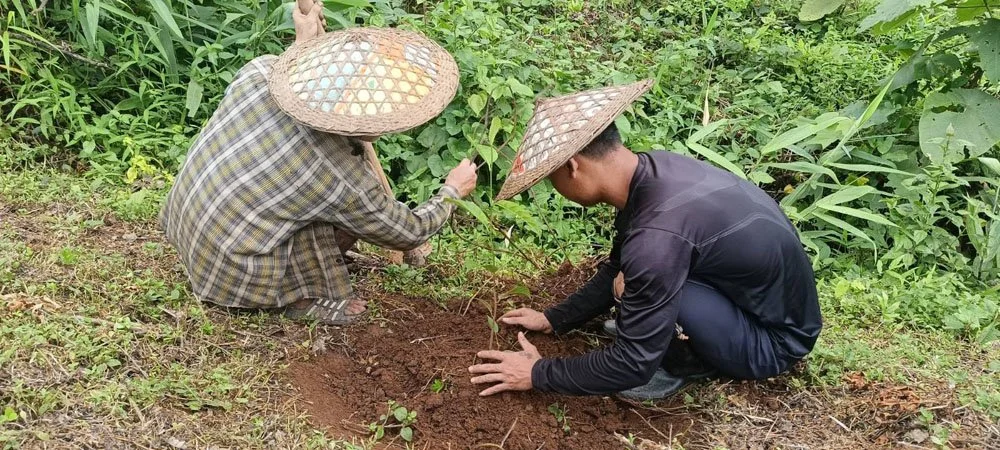
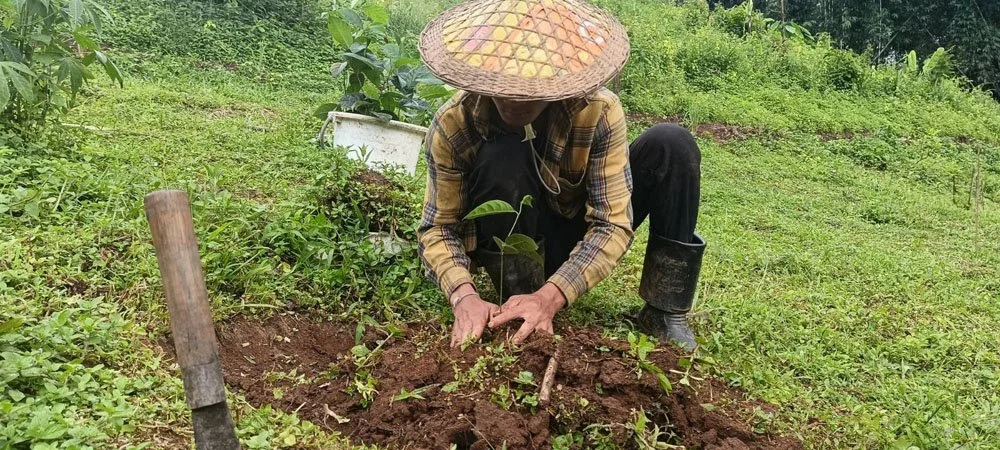
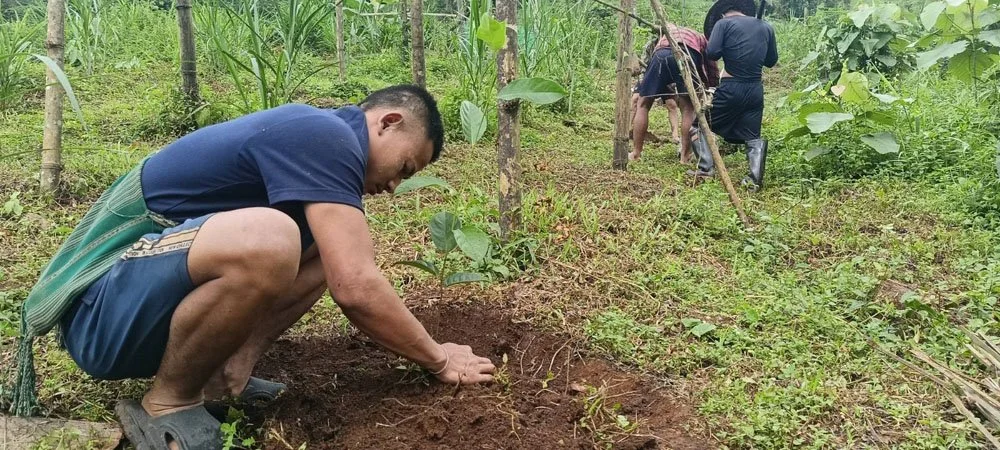
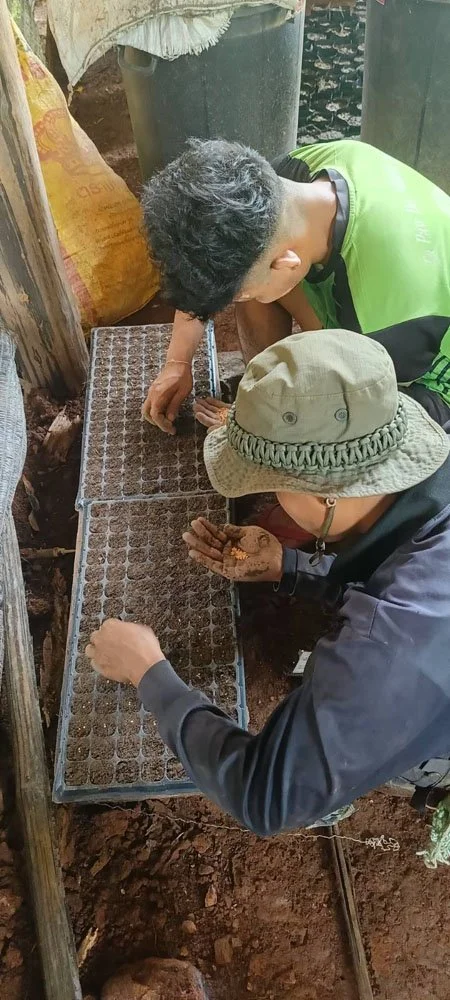
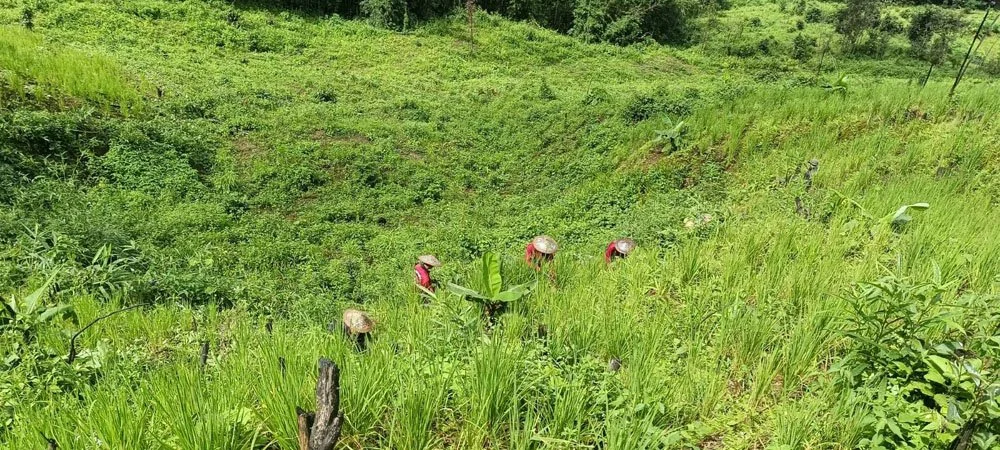
As part of the Natural Farming Program, students are preparing upland paddy fields, planting jackfruit and durian trees, starting vegetable seeds, and installing an electric fence to protect crops and livestock. These hands-on activities help students develop practical farming skills and support a more sustainable and self-sufficient campus.
With the rains slowing down, the students can return to agriculture and work in the fields more easily.
Join Us In Prayer
After months of difficult travel, it’s encouraging to see the roads opening again and the hospital becoming more connected, with people learning, serving, and working together.
Continue to pray for our staff, our hospital, our patients, and our students.
Pray for safety on our campus and the transportation back and forth.
Pray that fuel will become available to purchase safely.
Pray for buildings and maintenance repair. As the rainy season turns into dry season, we can build up and repair the campus.