“I will praise you forever for what you have done.
I will hope in your name, for it is good.”
PSALM 52:9
Neonatal Resuscitation Workshop for Advanced PAs
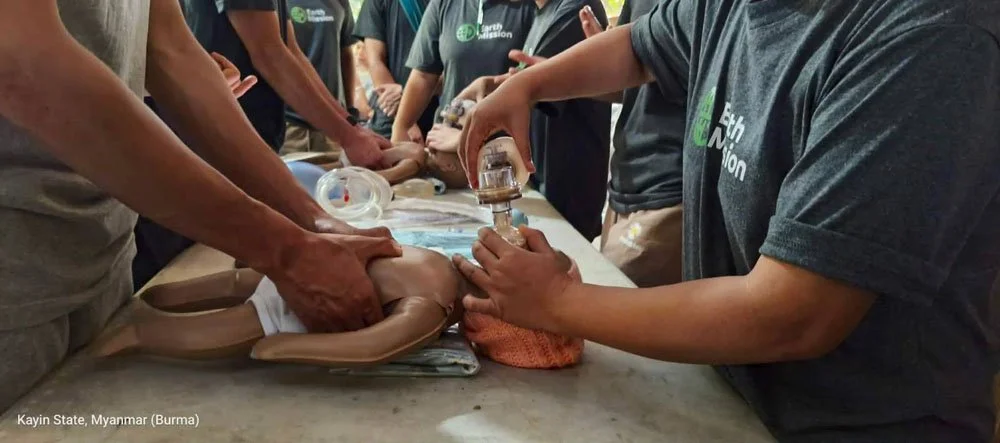
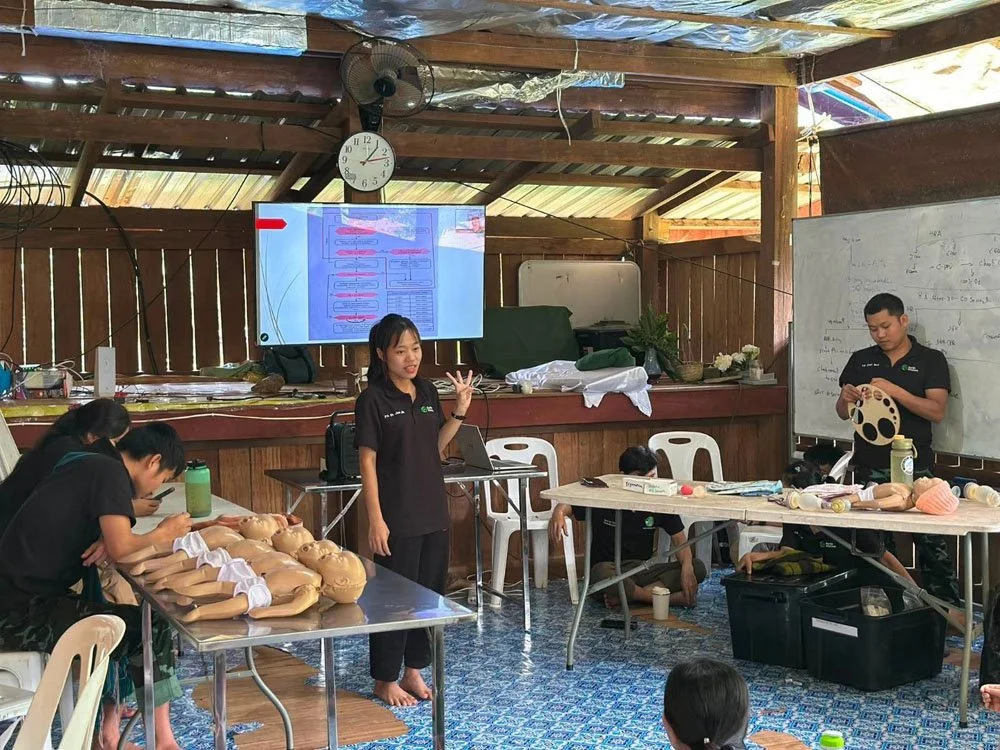
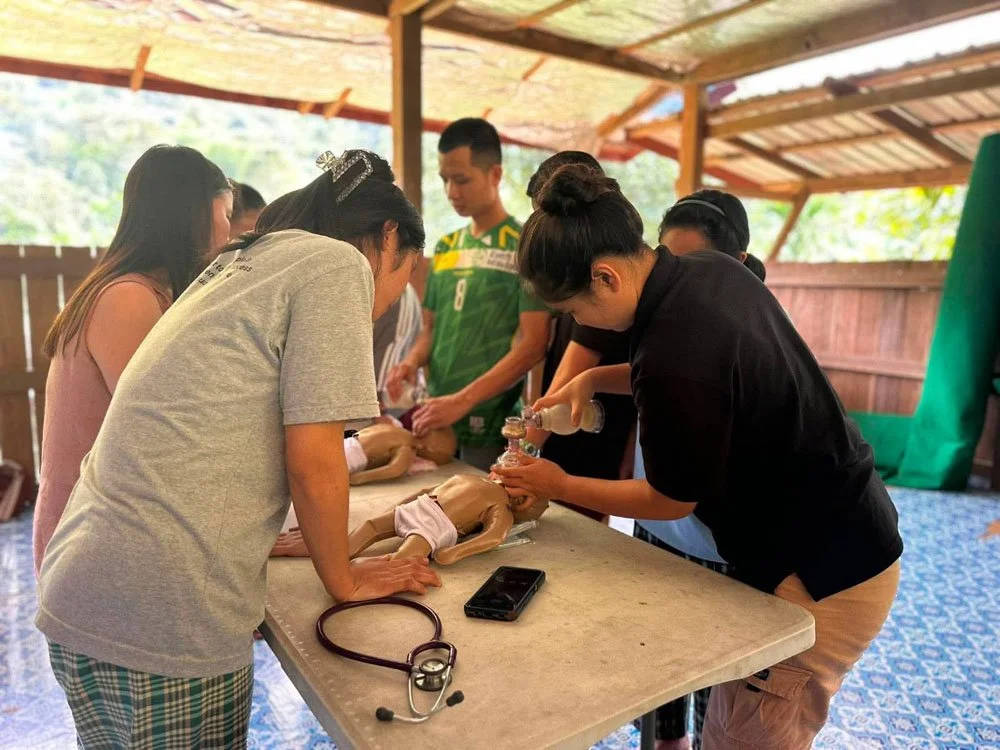
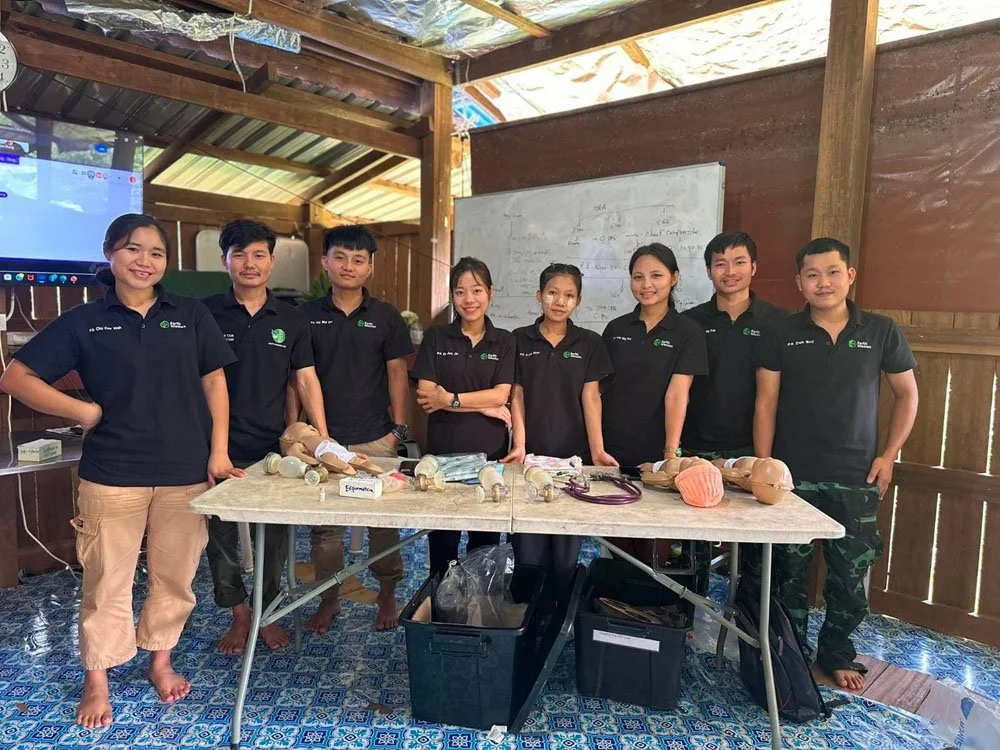
Our Advanced Physician Associate Fellows led a hands-on neonatal resuscitation workshop for the Physician Associate (PA) students, building their skills and confidence in managing newborn emergencies.
About 1 in 10 newborns needs help to start breathing. In the rural areas our students serve, that help has to come from whoever is in the area. A baby who goes too long without oxygen can suffer permanent brain damage, with lifelong effects on sight, hearing, speech, and movement. Teaching PA students to manage those first few minutes is one of the most direct ways we keep newborns alive.
Our students and fellows take this work on as a calling, and they carry it out with compassion and under God's guidance.
PA and E-Tech Students Go Head-to-Head
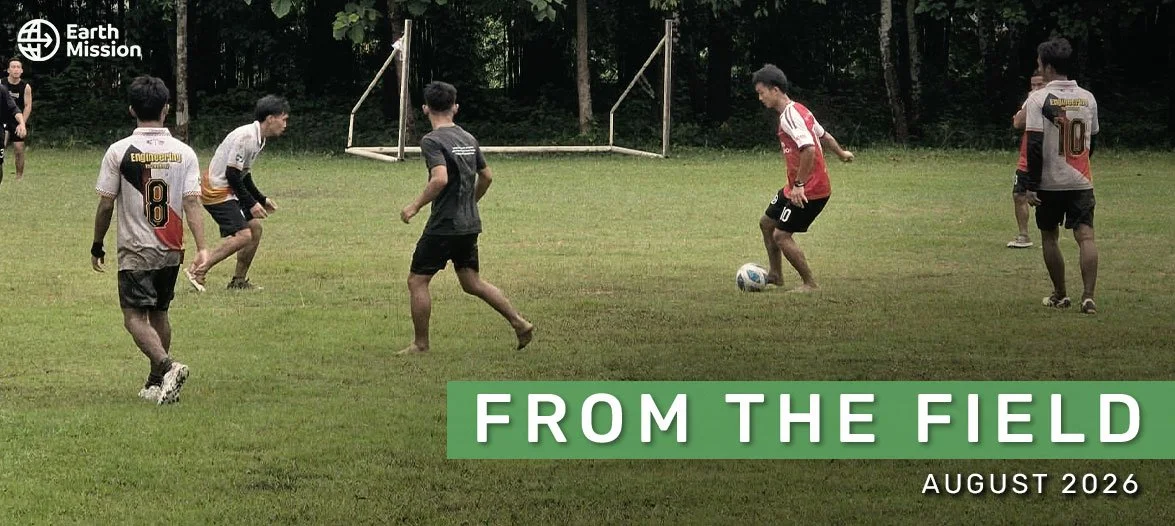
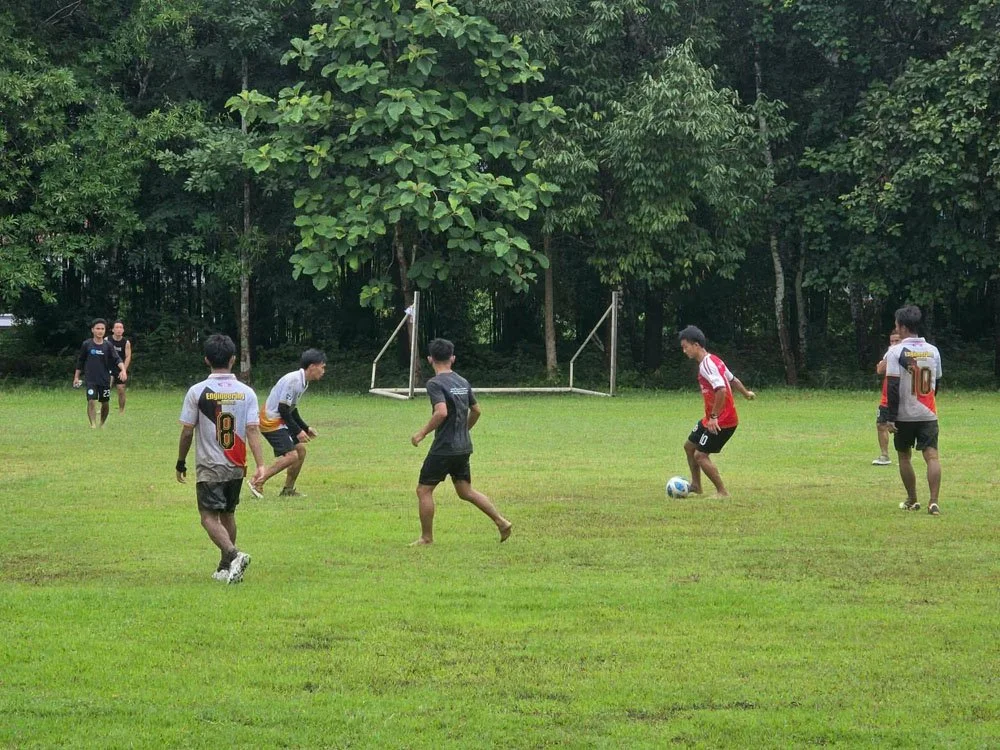
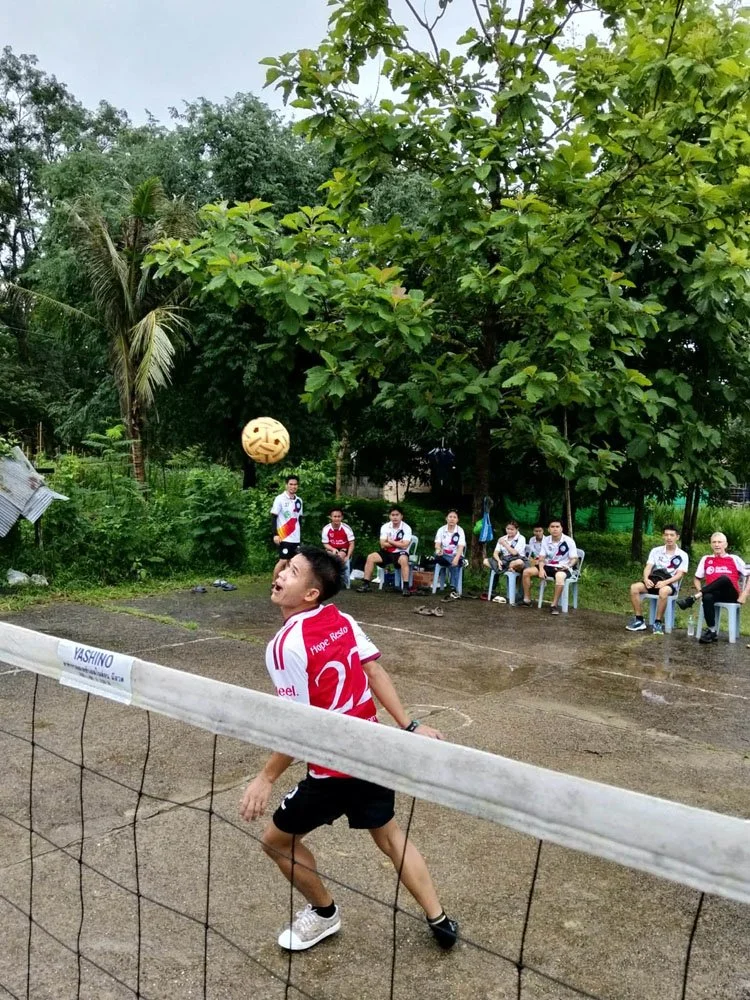
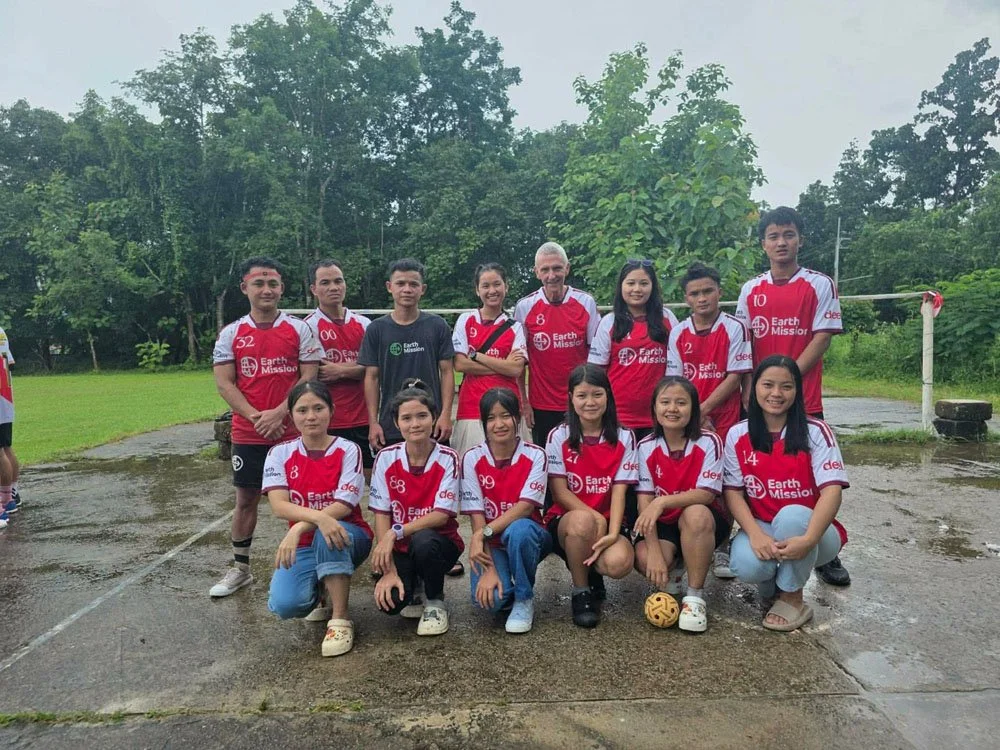
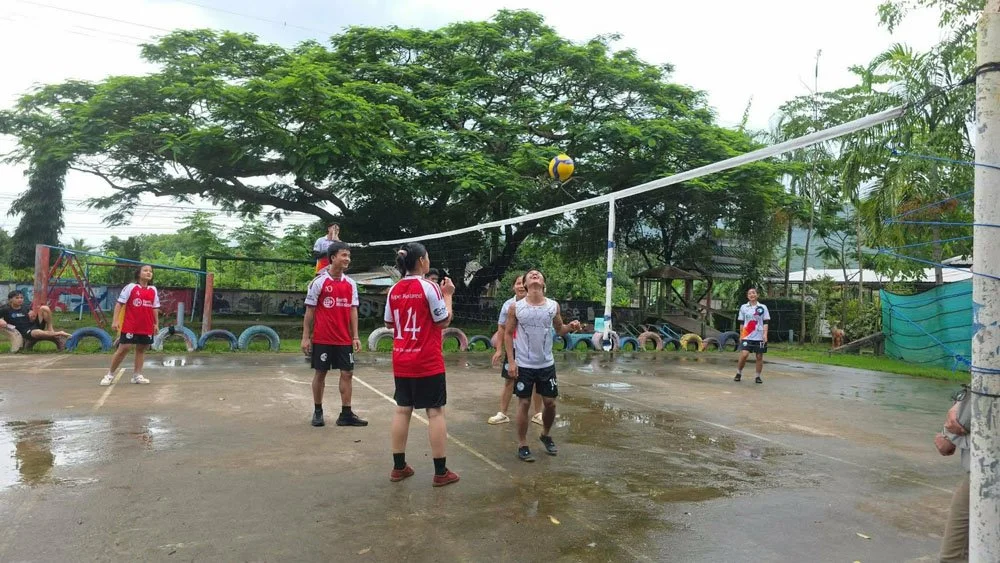
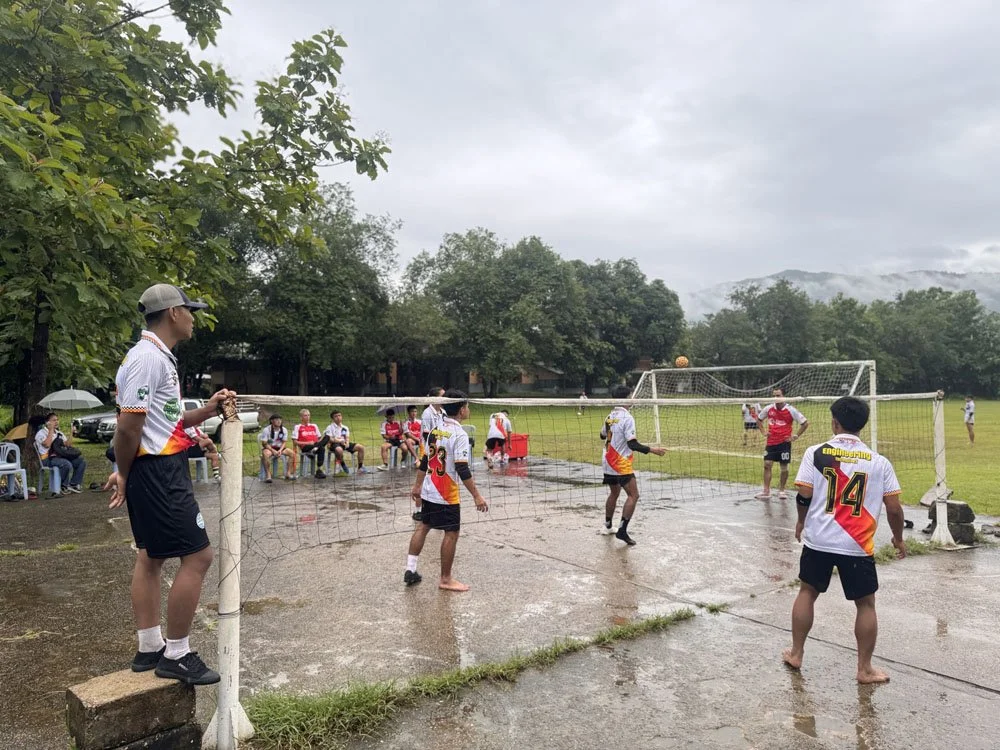
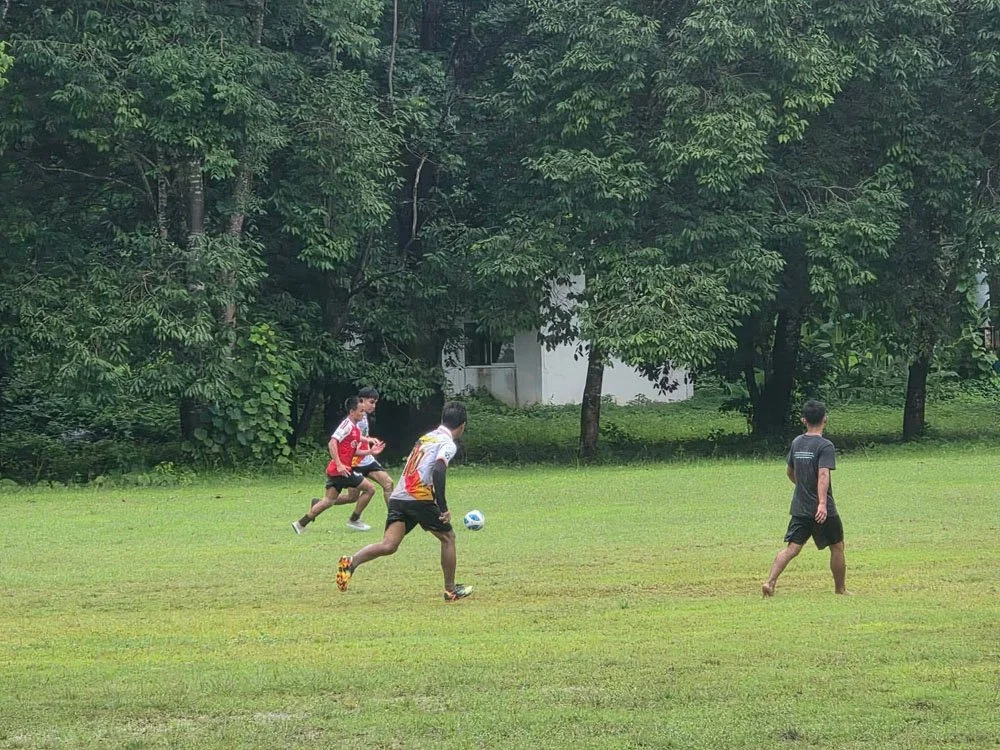
This month, our Physician Associate and Engineering Technology (E-Tech) students came together for some fellowship via sports! They played takraw, volleyball, and football, and got a break from their studies and practical training. The friendships built here easily extend across the two programs and back into the classroom.
Student Highlight of the Month:
PA student Naw Eh Htee Hta Bo remembers observing her first surgeries in the OR. We love to see the passion our students feel for the things they're learning (and the things they hope to learn)!
Year 4 Students Learn To Set Bones
Year 4 Physician Associate students completed orthopedic trauma training in the assessment and initial management of fractures, dislocations, and spinal injuries. The practical sessions covered fracture immobilization, closed reduction, traction, and plaster of Paris casting, along with recognizing which cases need referral for specialized treatment.
Most of these students will end up working where the nearest orthopedic surgeon is a long way off. Knowing what they can set themselves and what has to be moved is a large part of the job.
-
Here’s what each year cohort in our PA program has been up to:
Year 1 students built their foundation in English, mathematics, and anatomy and physiology, with review sessions throughout the month and Thai language study every Saturday. They also sat for evaluations at the start of July and joined the sports fellowship with E-Tech students and Mae Sariang staff.
Year 2 students kept up daily history-taking and physical-examination sessions at Raintree Clinic (RTC) alongside skill-lab work and clinical laboratory training. Coursework covered anemia and headache, and students tested in diarrhea, headache, introductory clinical laboratory, and mathematics.
Year 3 students worked through ECG, advanced laboratory theory and practice, and SOAP note practice in internal medicine and surgery, followed by a mathematics exam.
Year 4 students studied orthopedic trauma of the upper and lower limbs and pediatric fever, and they continued weekly SOAP notes.
Year 5 students attended public health and mental health classes, continued internal medicine SOAP note training, and presented case studies under faculty mentorship.
-
The E-Tech program held its quarterly student evaluations this month for all three years. Each student met individually with faculty to talk through academic progress, challenges, mental well-being, and feedback on the teaching environment. The evaluations run every three months so students get consistent support on both the academic and personal side.
Year 1 built their foundation in physics and mathematics, applying engineering concepts to practical problems.
Year 2 continued hands-on construction training, covering concrete slump testing, quality assessment, and mixing technique.
Year 3 moved into specialized work: project planning and design in construction, electrical wiring and maintenance in school facilities, and a mechanical internship at a local truck repair shop.
-
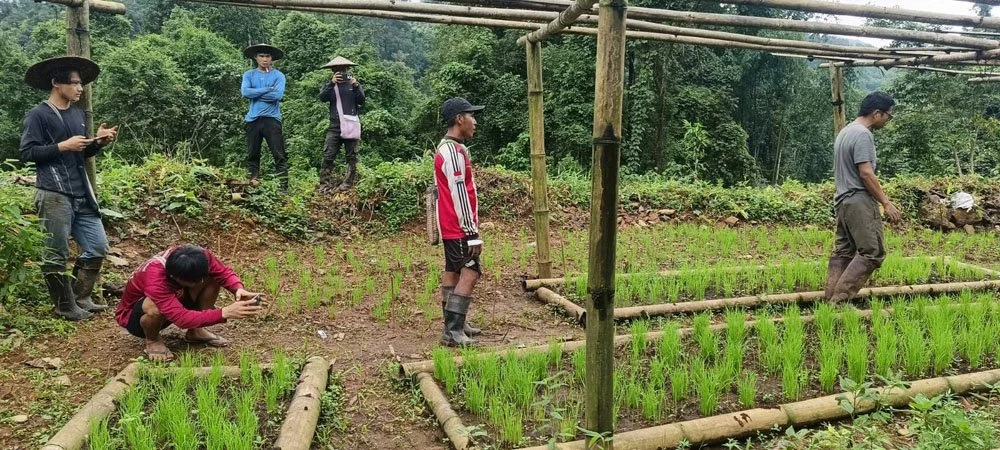
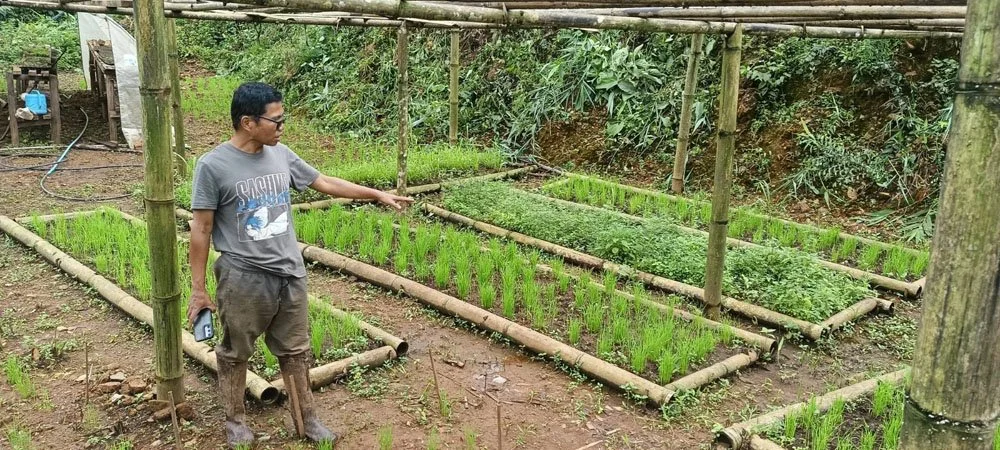
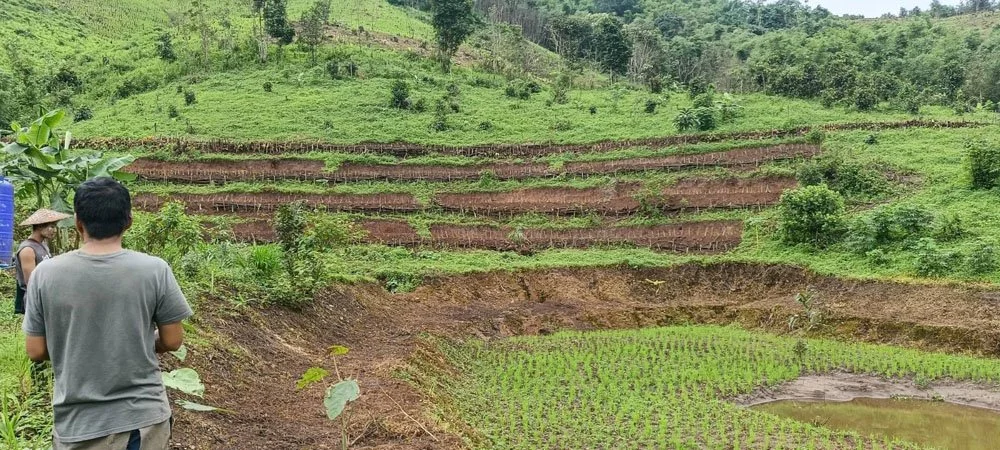
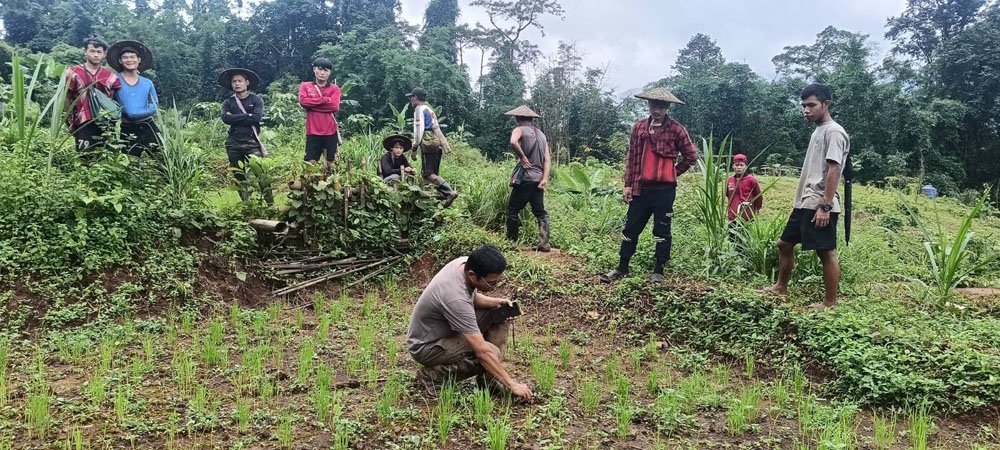
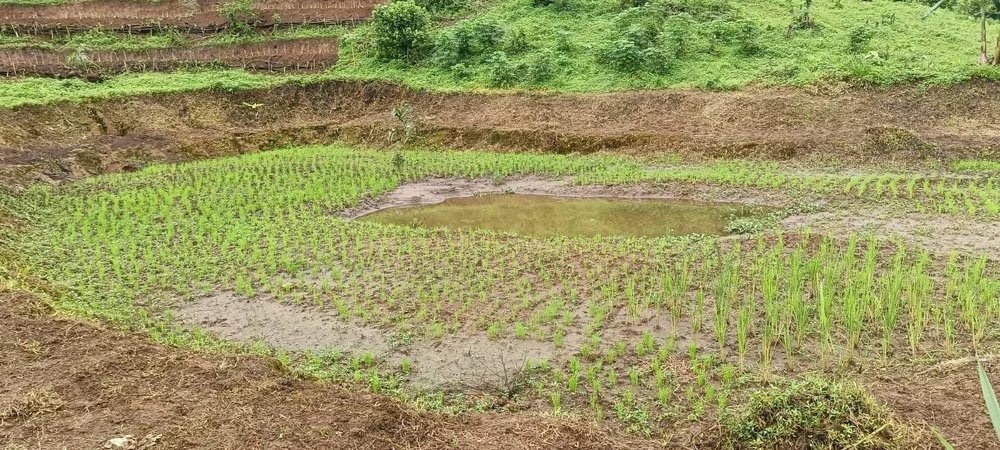
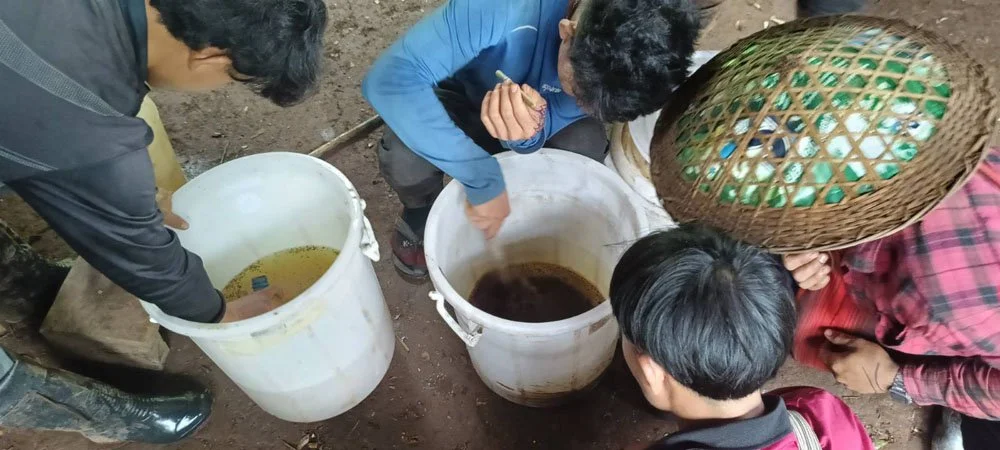
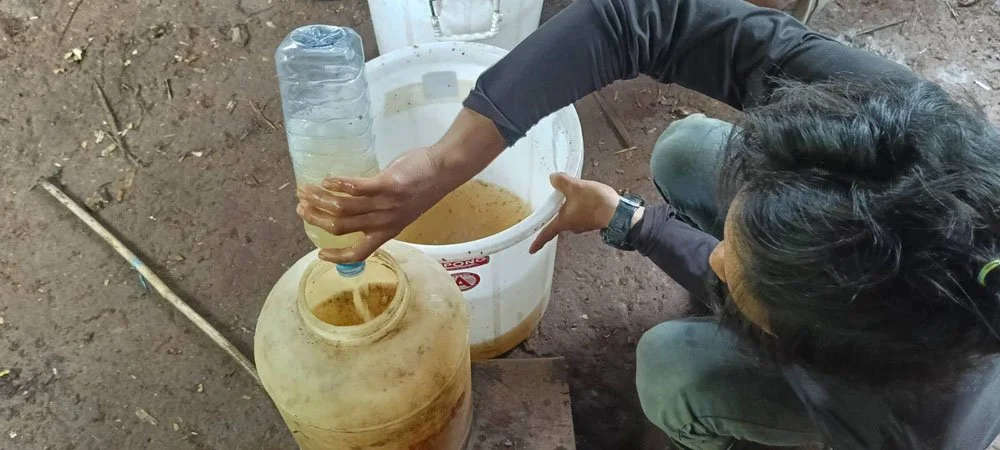
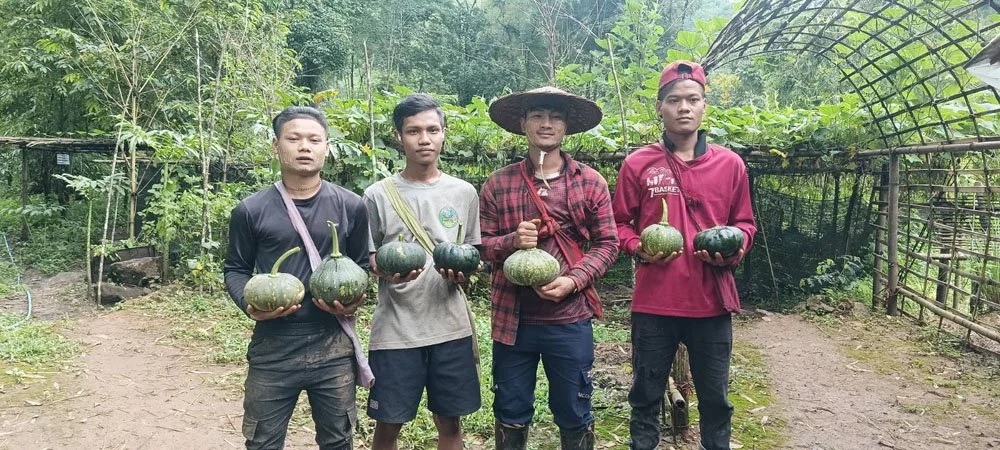
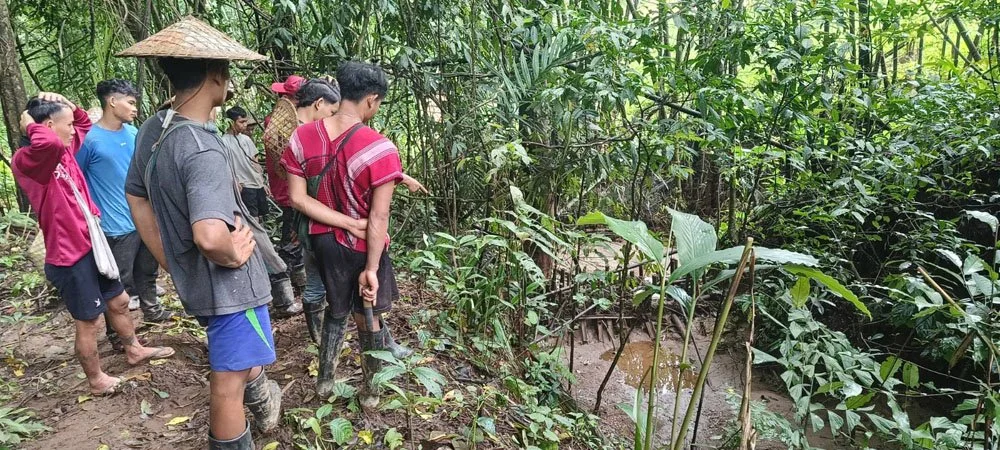
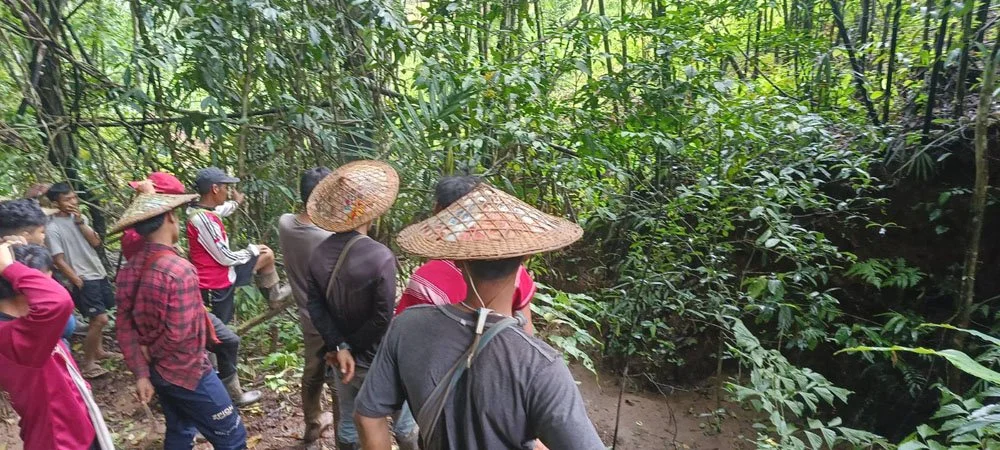
Students spent July in the field. They planted rice paddies and corn, designed field layouts to make better use of the land, and kept up regular weeding. They also made organic fertilizer and natural pest control solutions from materials available locally, which is the core of what the program teaches: farming methods a student can keep using after they go home, without buying supplies they can't afford or access.
Patients We Saw in July
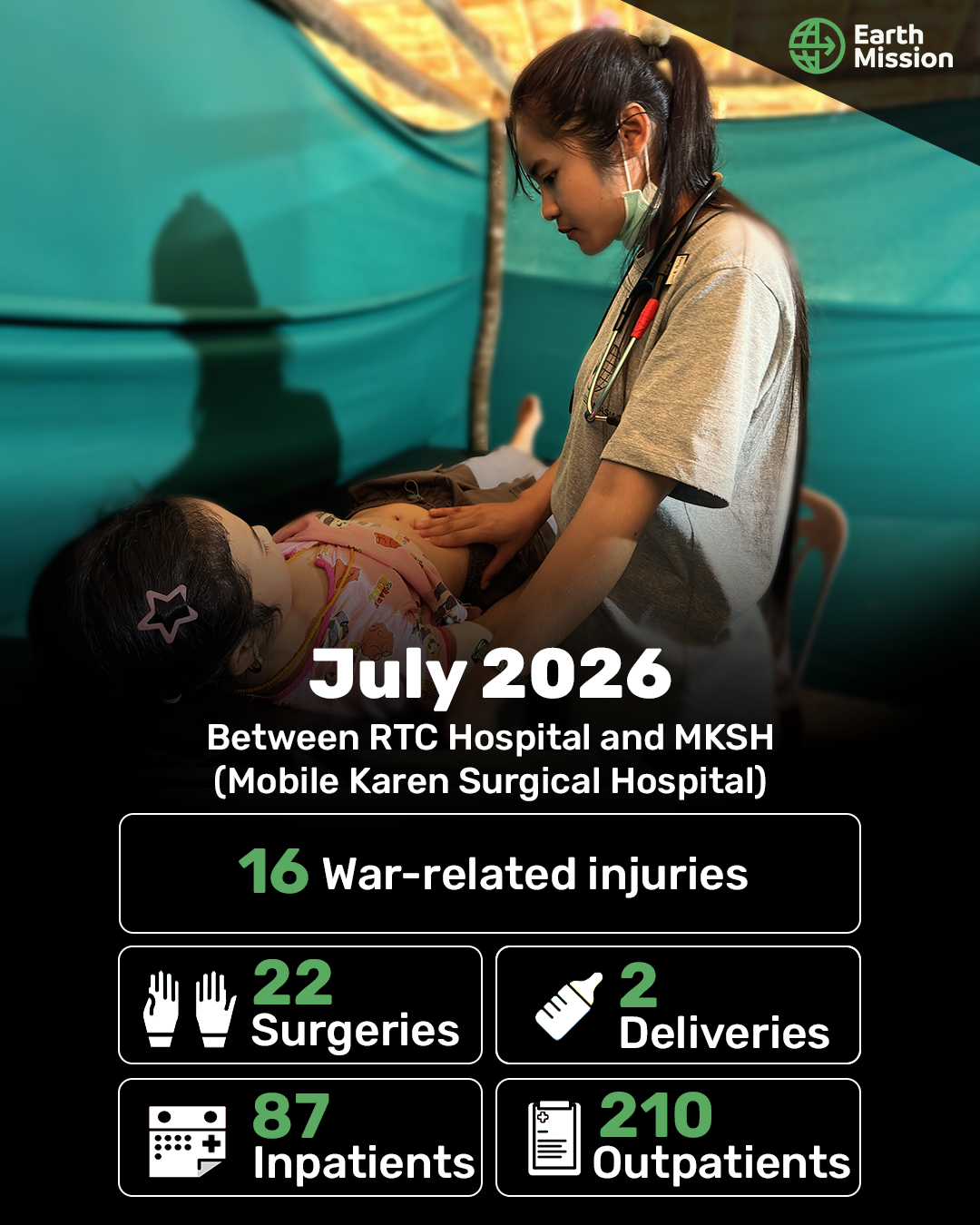
In July, the hospital saw 210 outpatients and admitted 87. Two babies were delivered, and our team performed 22 surgeries.
Sixteen of the patients we treated were injured in the conflict. They came in with complex fractures and multiple injuries from landmines, mortar blasts, drone attacks, air strikes, and gunshot wounds. Seven were transferred to Thailand for further care, and three to RTC.
Even in difficult circumstances, our team remained faithful in serving those with the greatest medical needs.
Mushrooms for Local Community School
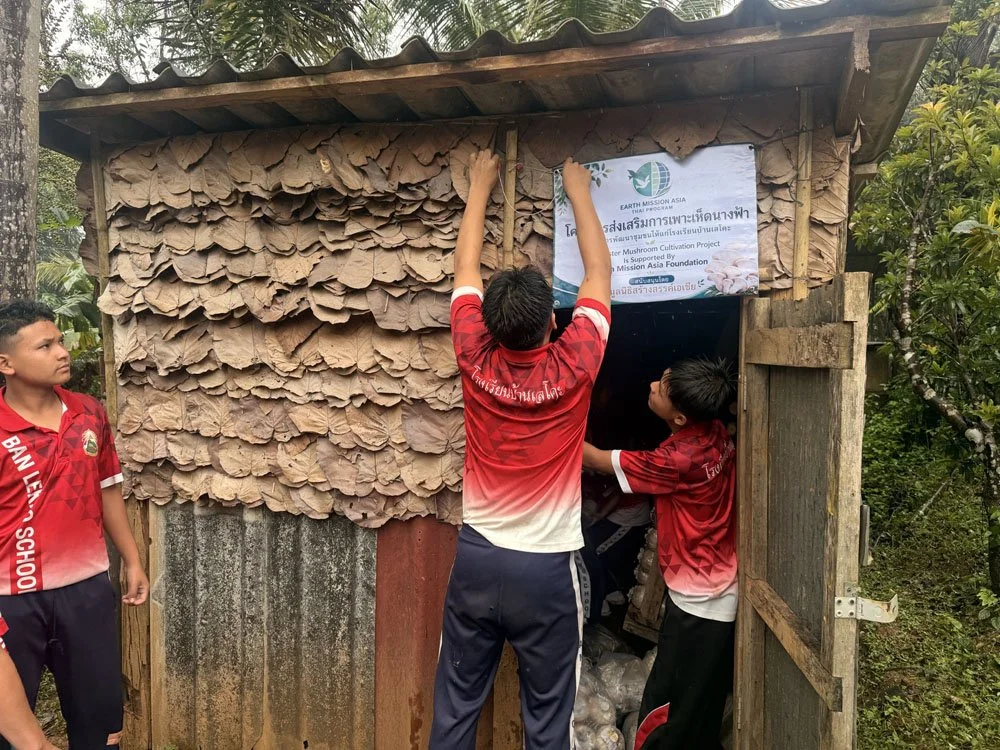
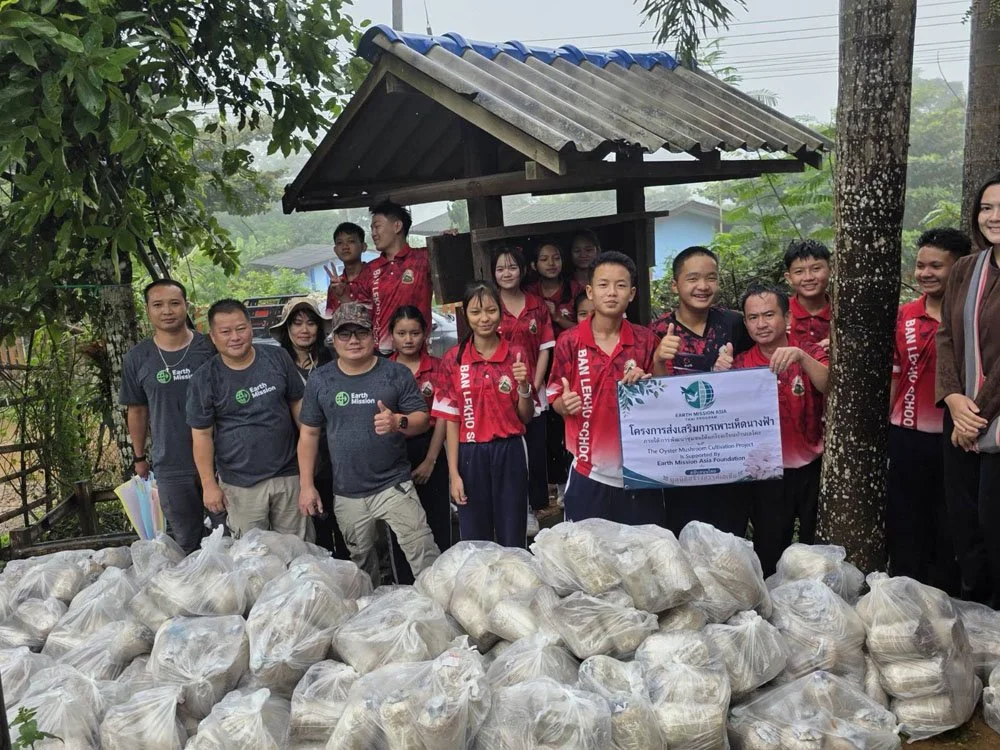
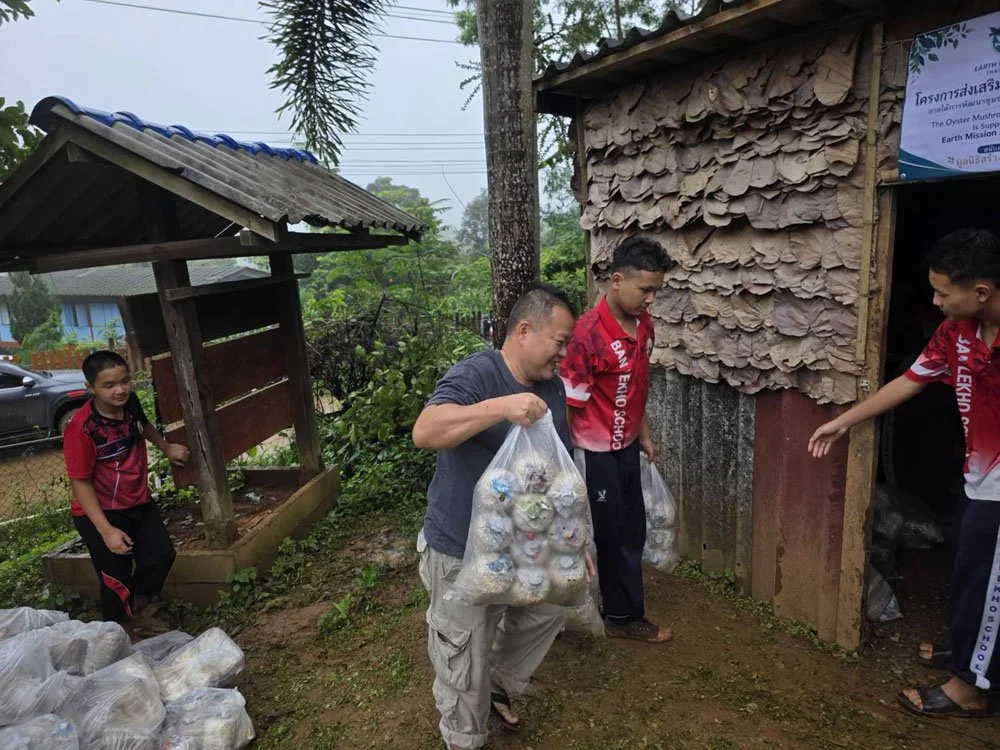
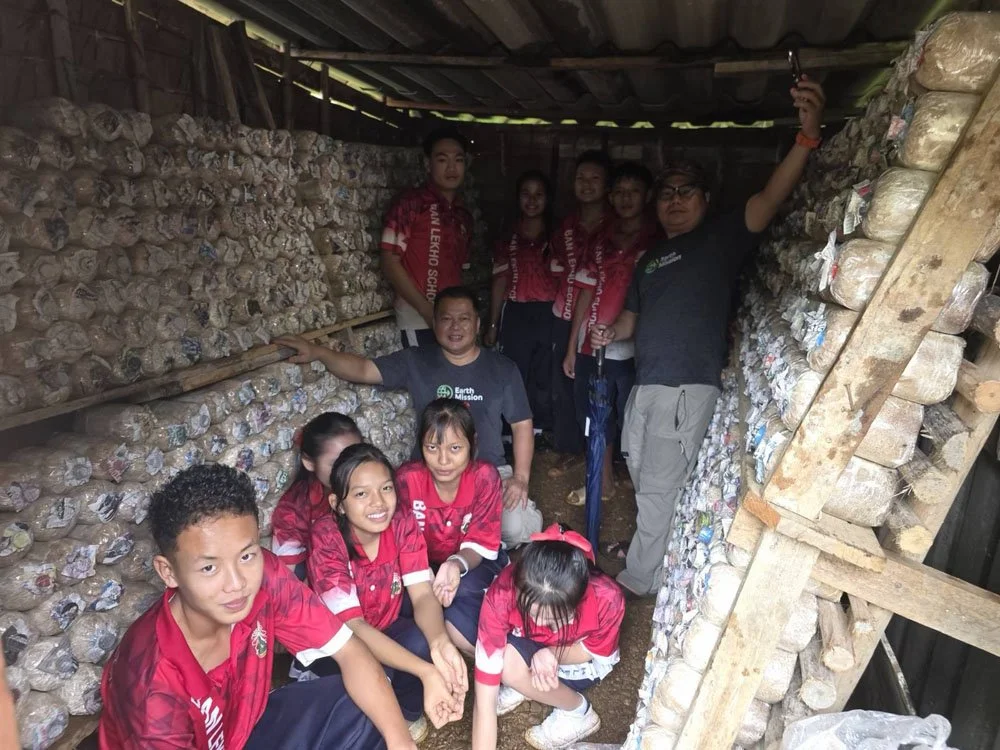
On July 16, the EM Thai Foundation delivered 1,000 mushroom growing blocks to Ban Lekho School in Sob Moei District, Mae Hong Son province. A “growing block” is a bag of sterilized sawdust seeded with mushroom spawn. You keep it damp and in the shade, and it fruits every couple of weeks for months.
The school has 193 students, many of them boarding in the dormitory. The blocks will supply fresh mushrooms for school meals for about three months, and the students will do the growing themselves. We hope to keep working with the school.
Notes From the Road Back West: Fundraising and Prayer
Thank you for praying over our travel in July and early August. It was a good stretch.
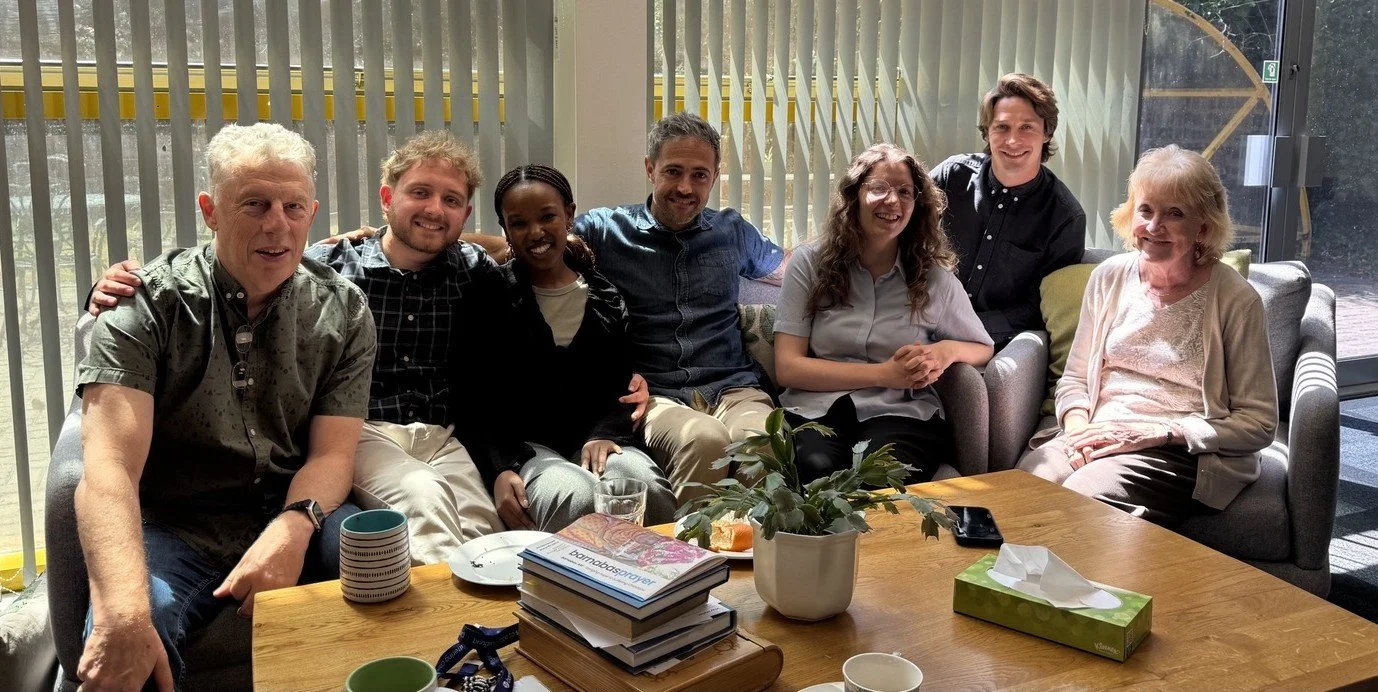
We (Mitch and Caryl) visited the Barnabas Aid headquarters in Swindon, UK, in July and got to meet a lot of the team there in person. Later in July, we were in Belfast, Northern Ireland, speaking several times at Christian Fellowship Church and sitting down with other friends. That church has been welcoming us for years, and it never gets old. We finished on August 9 at Fellowship Chapel Church in Bristol, Virginia.
There's always something humbling about traveling this far and finding people who have been praying for our staff and students all along, many of whom will never see the hospital. It was good to see familiar faces and meet new ones.
Please keep praying. The war continues, and the rainy season makes travel difficult. Pray for our staff, our students, and the patients who come to the hospital, and pray for strength, protection, and peace.