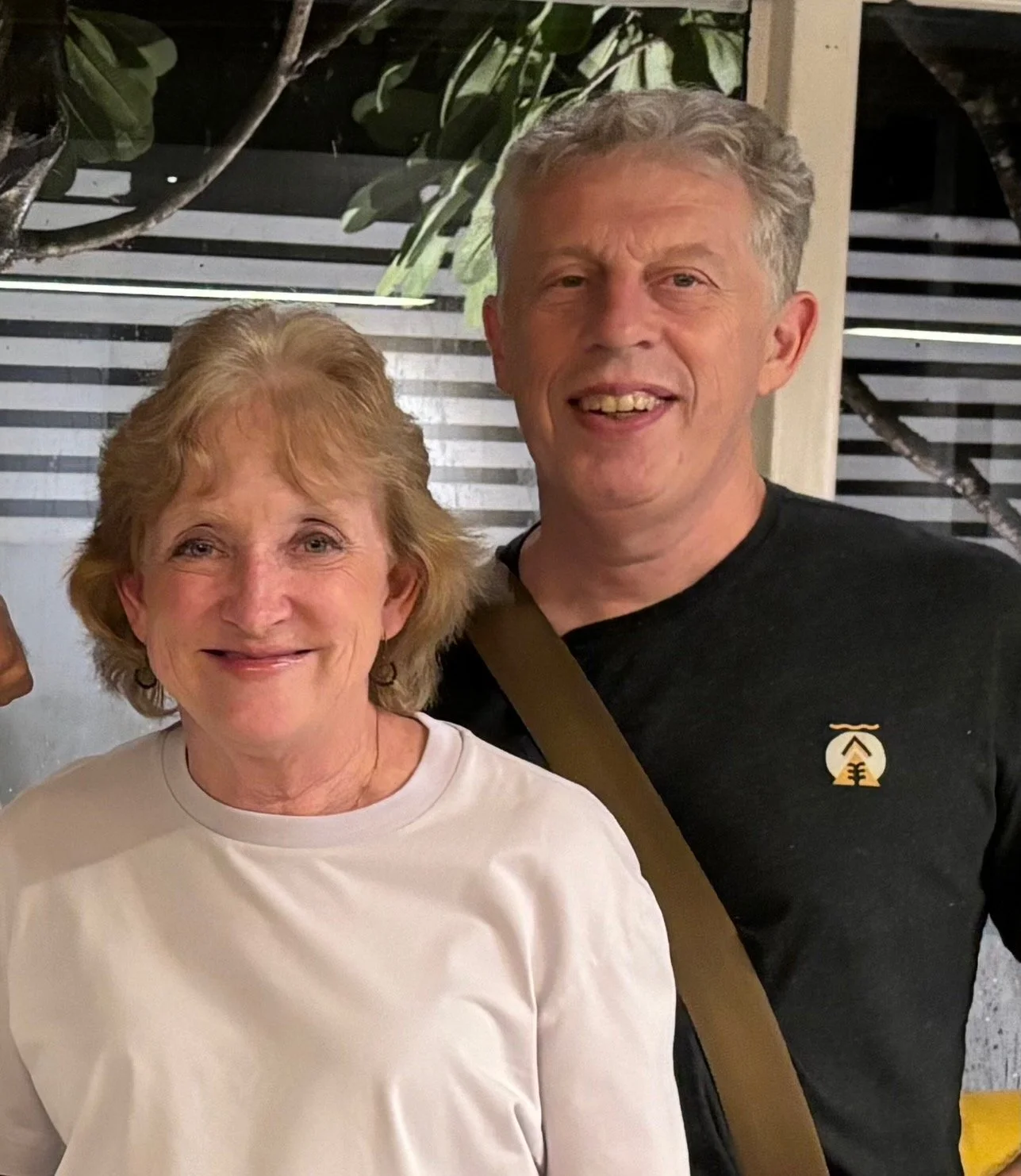
Emmanuel… God with Us
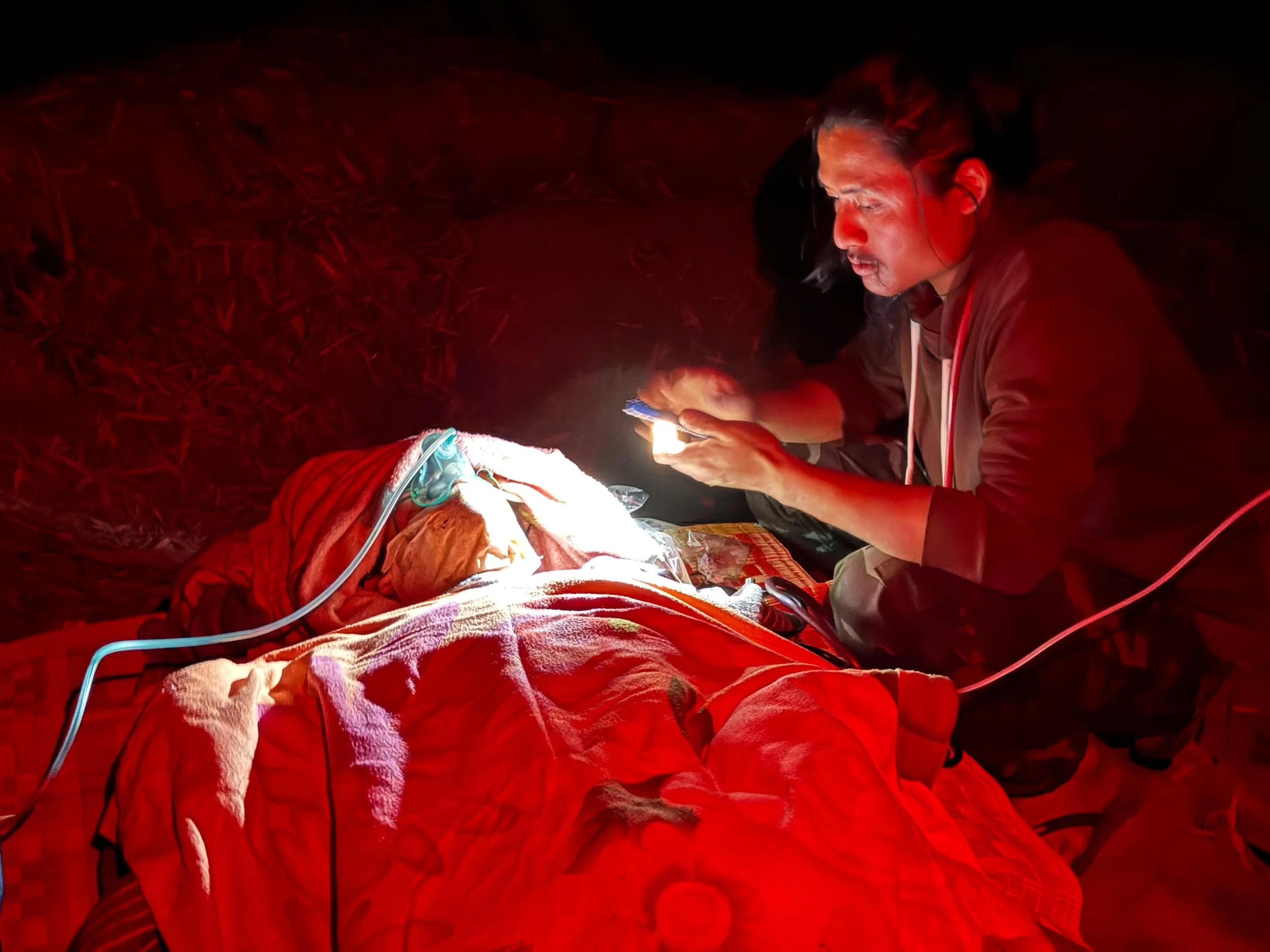
We stood on holy ground and didn’t know it. Well, more precisely, we lay on holy ground, faces pressed into the dirt, arms covering our heads, hoping to live through the next few seconds.
I had arrived at our Mobile Karen Surgical Hospital (MKSH) a few days before. It was basically a MASH unit, minus the A. We’ve learned the most effective use of our limited medical resources is to move closer to the fighting before big battles begin. This time, we expected hundreds of casualties, so we asked for volunteers from our 4th-year PA students to come as well. Our general surgeon would be delayed a few days, and we would have no general anesthesia until then. Counting medical, engineering, and cooking staff, we had 19 Earth Mission personnel onsite.
Many others came to help, too. Students from the local junior college volunteered as walking blood banks. They performed manual labor, and when their blood type was needed, they lay down and gave a unit of warm, lifesaving blood. The Karen Department of Health and Welfare (KDHW) sent several young community health workers and medics who could help change dressings, give medicines, autoclave instruments, and inventory supplies. Ambulance drivers and local leaders came and went.
The camp buzzed with talented and dedicated people. We would be ready. On the other hand, the more people we had, the more visible we became to the drones and planes circling overhead, looking for targets. We knew the battle had started one morning when explosions and gunfire suddenly erupted about 3 miles away. We waited, listening to the cacophony. Pacing. Knowing what was coming.
The wounded began to arrive about an hour later. They came in waves the rest of the day. Ambulances and pickup trucks roared in with loads of shattered young bodies. They dropped their patients under cover of the jungle canopy and left quickly, so as not to give the circling specters any reason to believe we existed. We triaged right out of the backs of the vehicles.
About 40 patients passed through our facility that day. Nearly a quarter of them were critically wounded.
I made one bad call. A young man with a small evisceration looked stable enough to survive the four hours back to relative safety at RTC, where a general surgeon and anesthesia were immediately available. We loaded him up with antibiotics and blood and sent him to RTC. He didn't make it.
As the day wrapped up, so did the sounds of the fighting. We knew, however, what was next: retaliation from the air. Most of the injuries on the second day came from the airstrikes and mortars. Three young men arrived in critical condition. Two of them had been in a group that had taken a direct mortar hit. One was unconscious and unresponsive with a Glasgow Coma Scale (GCS) of 3. I did a quick cricothyroidotomy to establish his airway. His only external injury was a small point of crusted blood by his eyebrow, barely even noticeable. A small piece of shrapnel had penetrated deep into his brain. He died. The second young man was a 24-year-old. He had multiple shrapnel injuries, including a shattered upper right arm. He was in stage 3 hemorrhagic shock from internal bleeding. The third young man came later, with shrapnel injuries to his abdomen, and seemed more stable.
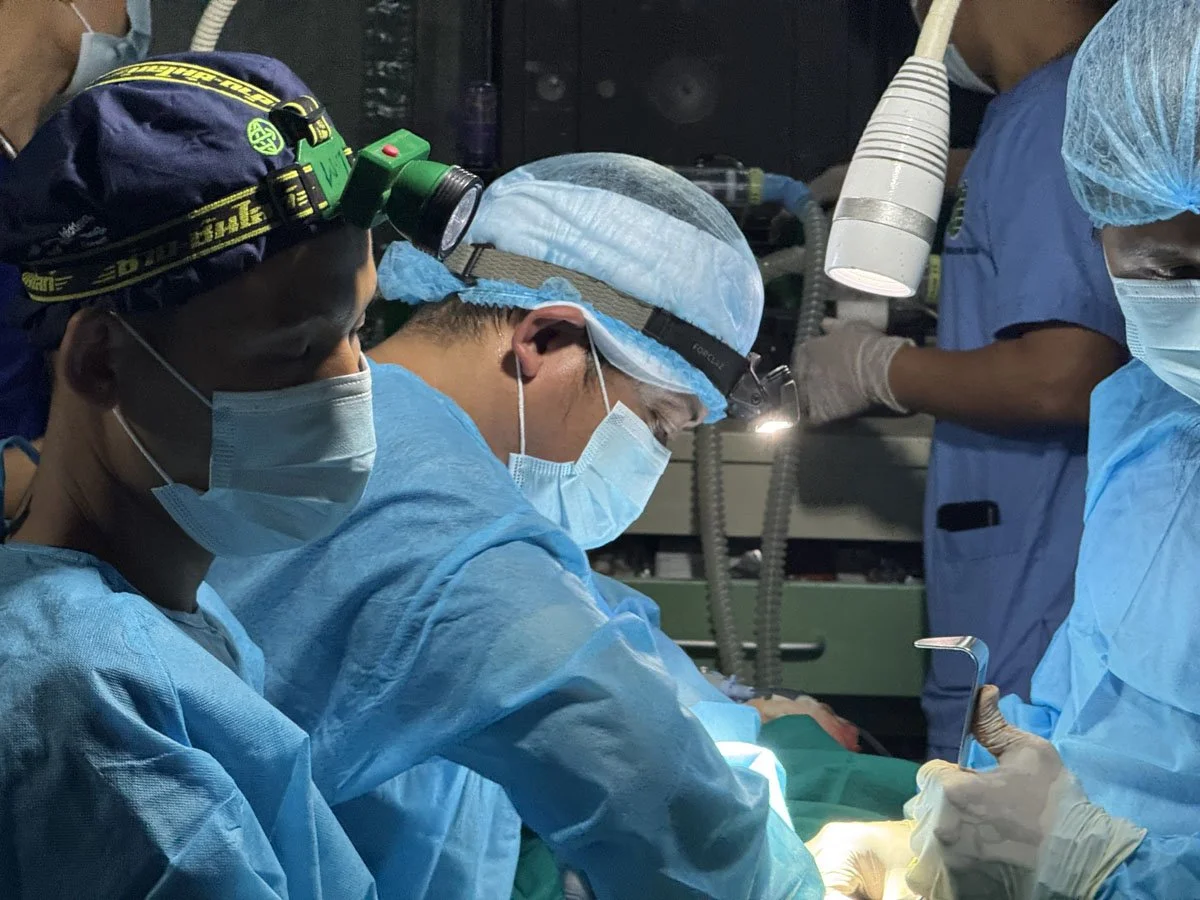
We prepped the 24-year-old patient for surgery and readied the OR tent. Dr. Hsa, our general surgeon, arrived that afternoon and began the surgery after dark. He repaired multiple small-bowel perforations, packed a bleeding, lacerated liver, sutured the retroperitoneum to tamponade a kidney bleed. He closed and moved the patient outside to our "post-op recovery room" — a bamboo hut on stilts — then started on the second patient.
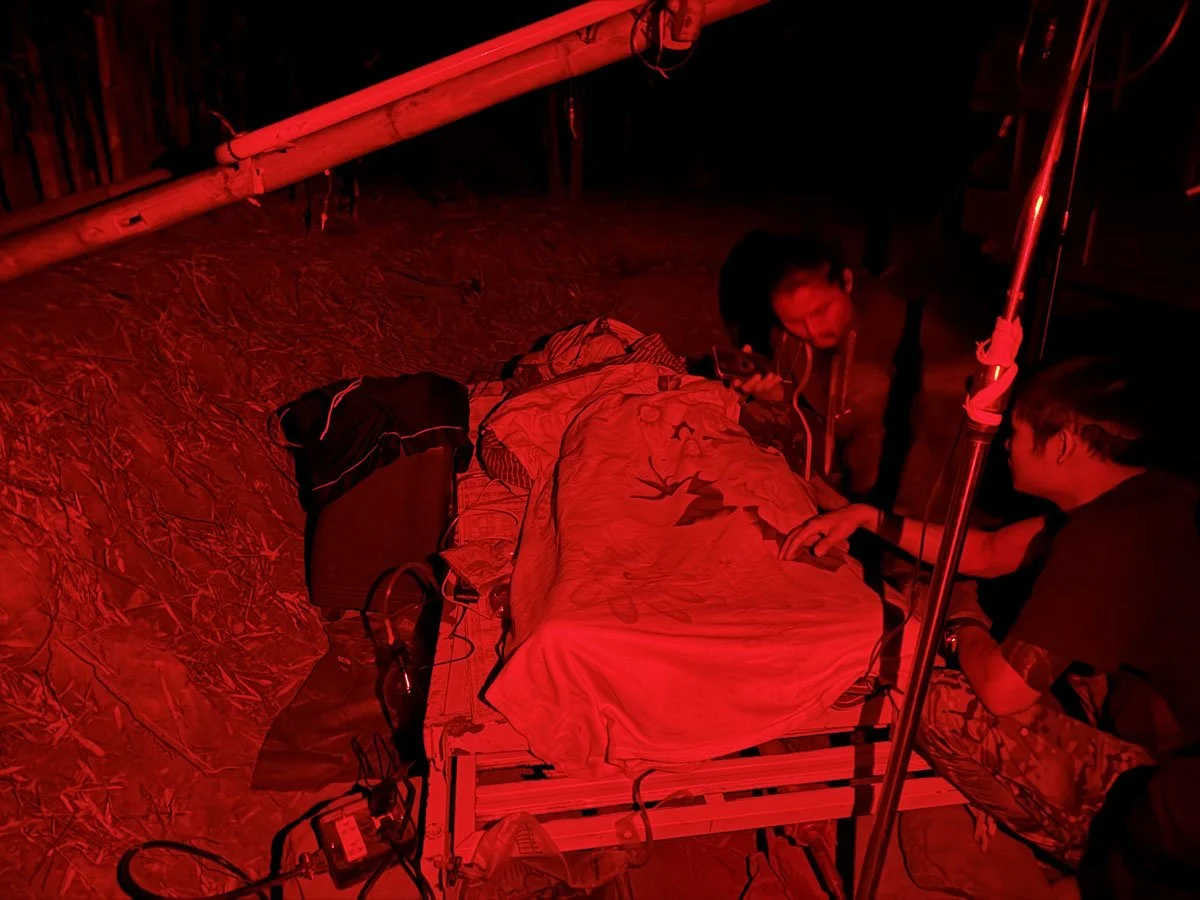
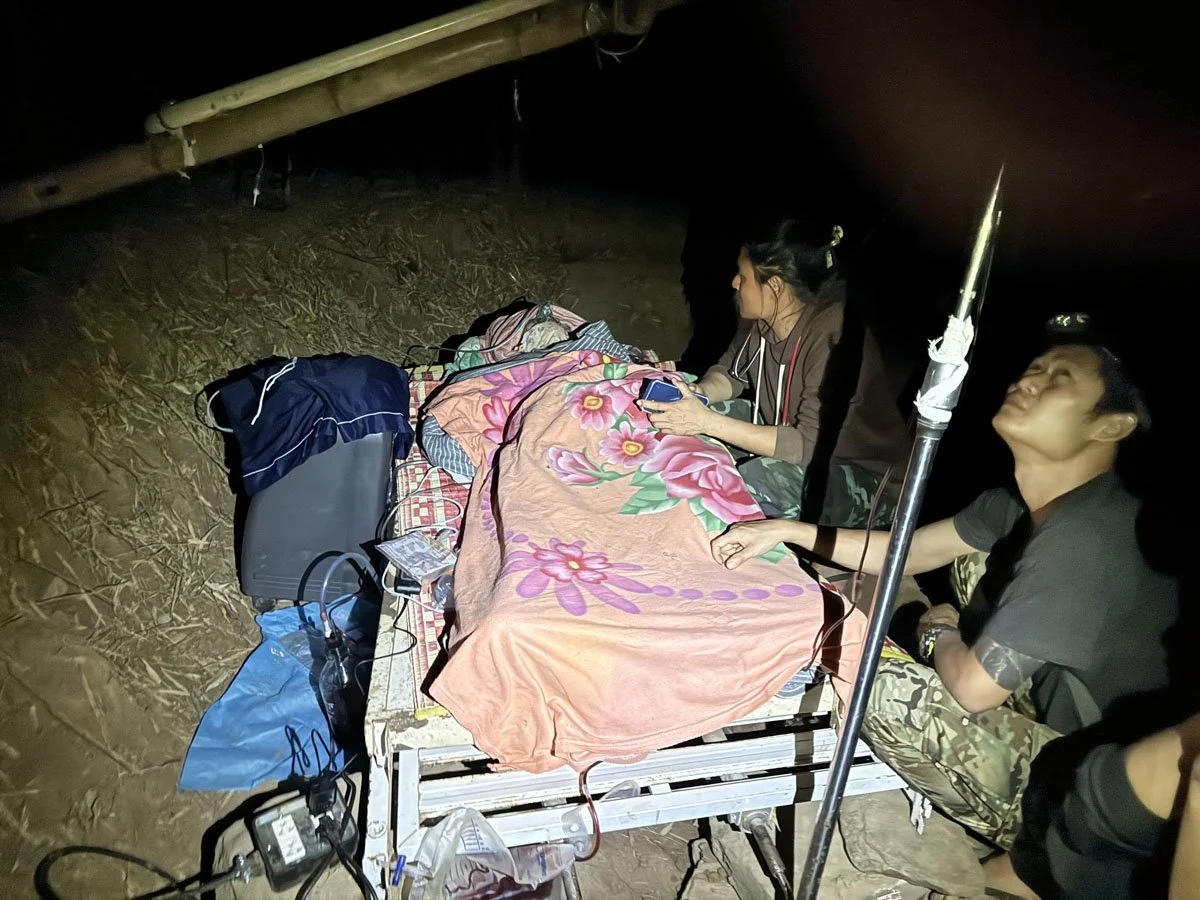
Meanwhile, outside, we were trying to stabilize the post-op patient. His blood pressure was barely holding; his pulse was fast. He was, however, waking up, and that was a welcome sign. We transfused more blood and bumped up a vasopressor drip. He needed to be in an ICU. Just then, jets flew over and bombed close to our position. So instead of an ICU, we decided to move him outside into the dirt.
Red headlamps swinging in the dark. Urgent voices. Our team moved quickly. We disconnected the metal bed frame from the legs and carried the patient outside. Oxygen, monitor, IVs, chest tube, catheters moved with the patient. Within minutes, the broken lad was lovingly tucked into his dirt intensive care unit.
Then, it happened.
The scream of a jet bearing directly down on us. Headlamps winked out. Outside the OR tent, we all hit the ground. I found myself next to HlaWin, a surgery PA. We were pressed together in a shallow ditch, arms wrapped tightly around our heads. The warmth of another living human pressed against my arm; two people just hoping to survive the next few seconds.
For a fraction of a second, the jet was directly overhead. I could feel HlaWin's whole body tense. Breath locked. Eyes squeezed shut.
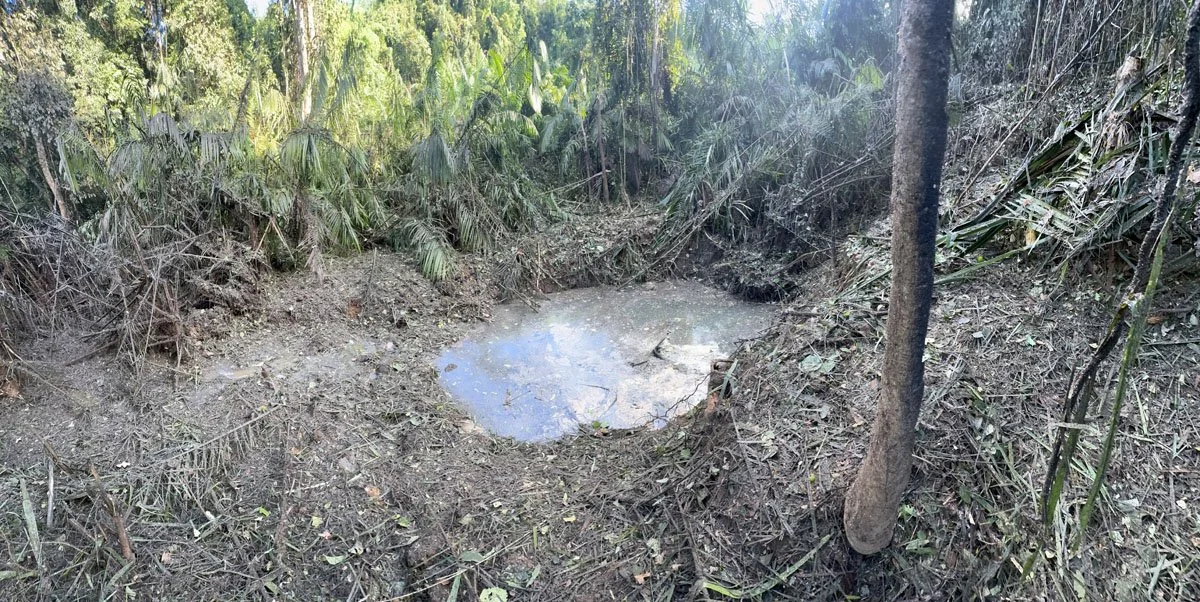
The bomb exploded 450 feet away. Shrapnel tore through the trees over our heads. Leaves and branches rained down around us. I started to get up, but one of the Year 4 PA students, Ran Paing, told me, “Stay down, grandpa; the shrapnel falls for a while.” He was right. I could hear pieces still falling. Later, we found fragments embedded in the dirt around us. Inside the OR, Raykaw said, the tent walls bowed in the blast. Dr. Hsa said, “I don't know; Raykaw was saying, ‘Hurry, hurry, hurry,’ so I was just sewing up as fast as I could.” The 50 of us working in the immediate area paused and listened for the jet to turn around for another pass.
What happened next is one of the reasons I love working with the Karen. Everyone poked their heads up to look around. They stood up. Dusted themselves off. And laughed. Then, everyone went back to protecting and caring for our critical post-op patient. How I loved everyone there at that moment. My heart was full. There was no room for fear and hate; only love and respect. No people had been hurt. No one. Not even a scratch.
We kept the young men for a few more days, and they continued to do well. We moved the entire hospital setup the following day. Later, I learned how narrow the margins actually were. This bomb hit soft mud on the far side of a 10-foot hill. Change the distance a few meters, the angle, or the type of ground surface, and the same bomb would have told a different story.
This is the way of faith. There are no guarantees. Were these brushes with the miraculous, or just dumb luck? I write this to myself as much as to anyone. If some day the story turns out decidedly differently, remember the ground is still holy; perhaps even more so. God is still with us. We will still be in His loving hands. And that love completes us — fills us with light until there is no room for the darkness. And in that light is life and safety, though all safety's lost. That was His promise; remember it!
“And truly, I reiterate, nothing's small!
No lily-muffled hum of a summer-bee,
But finds some coupling with the spinning stars
No pebble at your foot, but proves a sphere;
No chaffinch, but implies the cherubim;
And (glancing on my own thin, veinèd wrist)
In such a little tremor of the blood
The whole strong clamour of a vehement soul
Doth utter itself distinct. Earth's crammed with heaven,
And every common bush afire with God;
But only he who sees, takes off his shoes—
The rest sit round it and pluck blackberries,
And daub their natural faces unaware
More and more from the first similitude.”
— from “Aurora Leigh,” by Elizabeth Barrett Browning